
An apartment intercom can shape a resident’s day in small, practical ways. It should make a visitor’s voice clear, signal a call without confusion, and let residents respond from the entrance or their unit. A muffled speaker in a tiled lobby is more than an annoyance. It can make a delivery or guest difficult to identify. Sound consultant Julian Treasure has observed, “We are losing our listening.” His point is a useful reminder: communication depends on more than a device’s feature list.
This guide to the Top Audio Intercom Systems for Apartments in 2026 examines the details that matter in shared buildings. It considers voice clarity, indoor handset or hands-free operation, installation needs, and compatibility with existing entry equipment. It also distinguishes straightforward audio systems from models that add video or network features. More functions do not automatically mean a better fit. A building with long corridors and aging wiring may need different priorities from a small property with newer infrastructure.
The right Audio Intercom System For Apartments should suit the building’s layout, residents, and maintenance capacity. Clear specifications help, but they cannot replace checking real-world fit. A polished product page may not reveal how a speaker performs beside a noisy street entrance. That is worth questioning. The comparisons ahead are intended to help owners and managers weigh everyday usability alongside cost and installation demands, rather than choosing by headline features alone.
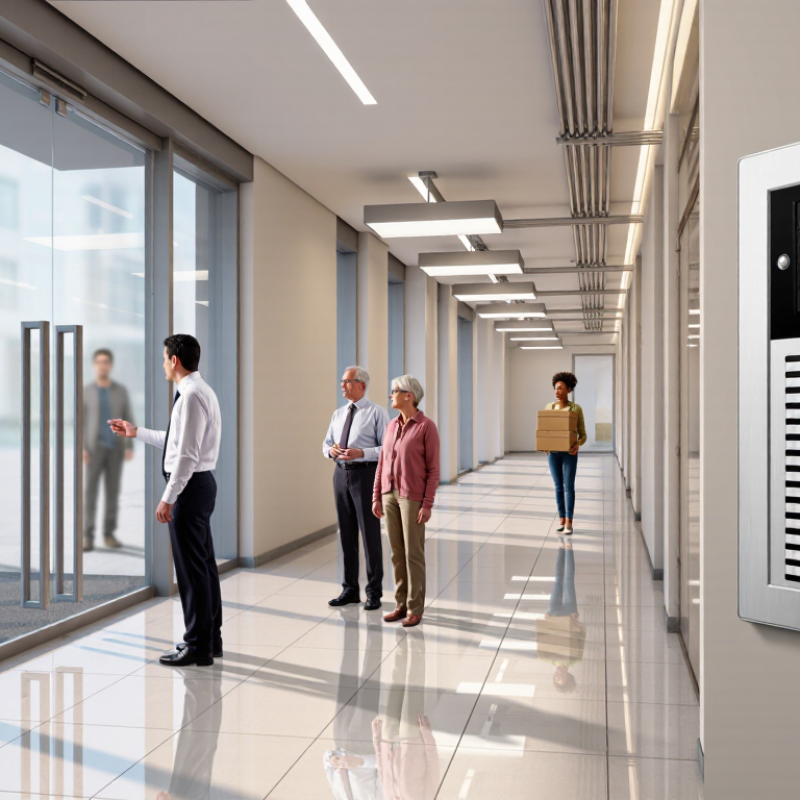
Top Audio Intercom Systems for Apartments in 2026
How Audio Intercom Systems Work in Apartment Buildings
A visitor presses a unit number at the entrance panel. The system routes the call to that apartment’s handset or connected device. Residents speak through a microphone and speaker, while a control unit manages the connection. In wired systems, audio travels through dedicated cabling; networked systems carry it over a building’s data connection. If the resident approves entry, a separate signal can activate the door’s electric lock. Speaking and unlocking are distinct steps.
The U.S. Census Bureau’s 2023 American Community Survey found that about 35% of occupied U.S. homes were renter-occupied, showing the scale of rental housing. That figure does not measure intercom use, but it gives useful housing context. Clear audio matters when a courier’s voice competes with lobby noise or a resident has difficulty hearing. A backup power supply can help during outages, while network-dependent systems may lose service if the connection fails. It is not foolproof. An audio call confirms a conversation, not a visitor’s identity; residents still need to decide whom to admit. That distinction is easy to overlook.
A practical comparison of common apartment audio intercom configurations. Features vary by installation; confirm wiring, lock compatibility, and building requirements before choosing a system.
| System Type | How It Works | Typical Building Setup | Key Advantages | Considerations | Best Suited For |
|---|---|---|---|---|---|
| Analog wired | A visitor calls an apartment from the entrance panel. Dedicated wiring carries the voice signal to an indoor handset; a separate control connection may operate a compatible door release. | Entrance panel, apartment handsets, building cabling, and—if required—an electric door strike or magnetic lock with suitable power and controls. | Simple operation; can work without an internet connection; familiar handset controls. | Older or damaged cabling may need repair. Adding apartments or features can require new wiring or specialist configuration. | Buildings with existing analog cabling or owners seeking a straightforward voice-only system. |
| Digital bus | A shared communication bus connects the entrance equipment to apartment stations. The system identifies the selected apartment and routes the call to its handset. | Digital entrance panel, compatible apartment stations, bus wiring, and optional door-release equipment. | Can reduce the amount of cabling needed between the entrance and apartments compared with some dedicated-wire layouts; supports organized call routing. | Stations and panels must be compatible with the system’s bus. Troubleshooting or expansion may require configuration by a qualified installer. | Multi-unit buildings installing a coordinated system or replacing equipment while retaining suitable shared cabling. |
| IP networked audio | Audio calls travel over an Internet Protocol network, such as a building Ethernet network. A call can be routed to a compatible indoor station and, where supported, an authorized phone or management endpoint. | Network-connected entrance panel, managed network equipment, compatible indoor stations or endpoints, and optional lock interface. | Can support centralized configuration and integration with other network-based building systems; may allow remote call handling when configured. | Depends on a properly designed and secured network. Remote features require compatible equipment, configuration, and connectivity; they are not automatic. | Buildings with suitable network infrastructure and a need for centralized management or supported remote answering. |
| Wireless or hybrid retrofit | The entrance unit communicates with indoor receivers using a wireless link, or combines wireless links with existing wiring. Door unlocking requires a compatible control path to the lock. | Wireless entrance unit and receivers, or a hybrid setup using existing cables for some connections; power is needed at the relevant devices. | May avoid extensive new in-wall cabling and can be useful where running cable is difficult. | Range, building materials, interference, battery or power arrangements, and lock-control compatibility must be checked on site. | Smaller properties or retrofit projects where new cable installation is restricted or costly. |
| Audio intercom with access-control integration | The resident speaks with the visitor through the intercom and uses a control to release the entrance door, if the system is connected to a compatible electric locking device. | Audio intercom plus an electric strike or other compatible lock, power supply, release wiring, and any required access-control interface. | Combines visitor communication with controlled entry from the apartment or an authorized endpoint. | Voice communication alone does not unlock a door. Lock type, fire-safety requirements, egress rules, and installation details must be verified locally. | Buildings that need residents to communicate with visitors and remotely release a shared entrance. |
How apartment audio intercoms work: The visitor selects or calls an apartment at the entrance station. The system routes the audio call to that apartment’s handset or supported endpoint. The resident answers and speaks with the visitor; door release is available only when compatible locking hardware and control wiring or network interfaces are installed.
