Why Choose Low Iron Glass for Your Next Project?
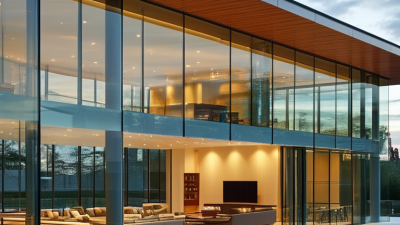
When considering materials for your next architectural or design project, Low Iron Glass stands out. This unique type of glass offers remarkable clarity and reduced green tint compared to standard glass. Its transparency allows for a more vivid representation of colors and textures, enhancing visual experiences in interior and exterior designs.
Low Iron Glass is particularly advantageous for projects that require elegance and sophistication. For example, large windows or glass facades benefit from this glass type, providing unobstructed views and a modern aesthetic. However, its higher cost might make some hesitate. It's essential to weigh the benefits against budget constraints.
Choosing Low Iron Glass can ultimately elevate a project’s quality. The durability and ease of maintenance also play important roles. Reflecting on its long-term value may lead to better decisions for future projects. Balancing elegance with practicality ensures your space stands out while remaining functional.
Benefits of Low Iron Glass for Aesthetics and Transparency
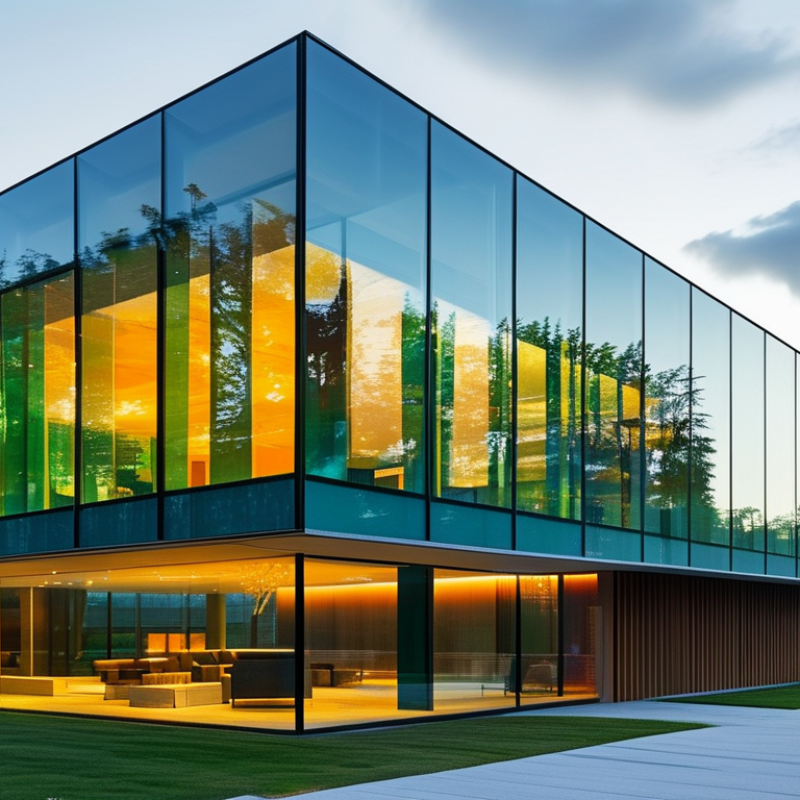
Low iron glass has gained attention for its unique aesthetic qualities. Unlike standard glass, it offers remarkable clarity and brightness. This type of glass is almost colorless, allowing for accurate color representation and stunning visual appeal. In spaces where light is essential, low iron glass creates an inviting atmosphere. It maximizes natural light, making interiors feel spacious and more vibrant.
Using low iron glass enhances design flexibility. Architects and designers can achieve sleek, modern looks with minimal distractions. The transparency of this glass allows for unobstructed views, connecting indoor and outdoor environments seamlessly. However, working with low iron glass may require additional care. It can be more expensive and requires precise handling during installation. This aspect might complicate logistics in some projects.
When considering transparency in design, low iron glass stands out for its performance. Its clean look can elevate a project’s overall perception. However, the benefits must be balanced against cost and installation challenges. Every project has unique needs that should be thoughtfully assessed.
Comparative Analysis: Low Iron Glass vs. Standard Glass
Low iron glass, a premium alternative to standard glass, offers remarkable clarity and color accuracy. Standard glass contains iron impurities, which can create a greenish tint. This can distort the appearance of objects viewed through it. In contrast, low iron glass minimizes this effect significantly, allowing for true color representation. According to recent industry reports, this type of glass transmits up to 91% of light, compared to about 80% for standard variants.
In architectural applications, the differences become even more pronounced. Projects requiring transparency, such as exhibition spaces or high-end retail stores, benefit vastly from low iron glass. Clients often observe improved aesthetics and light quality. An analysis from a leading architectural firm highlighted that installations using low iron glass could improve interior brightness by 20%. This not only elevates visual appeal but also enhances energy efficiency by reducing reliance on artificial lighting.
Yet, low iron glass isn't universally superior. It tends to be more expensive than standard options. This cost can challenge budget-conscious projects. Additionally, its lower durability may require more care during handling and installation. For some applications, the additional expenses might not justify the benefits. It's essential to weigh these factors against project requirements for an informed decision.
Applications of Low Iron Glass in Architecture and Design
Low iron glass has become a vital material in modern architecture and design. Its clarity and brilliance are unmatched, making it ideal for various applications. For instance, in façade design, low iron glass is preferred for building envelopes because it minimizes green hue interference. According to a report by Research and Markets, the low iron glass market is expected to grow at a CAGR of 8% through 2026.
In the realm of interior design, low iron glass is extensively used in high-end residential projects. It enhances natural light and improves spatial perception. Additionally, it plays a critical role in museum and art gallery design, ensuring artworks are viewed in their true colors. The Transparency International report highlights that this glass significantly improves energy efficiency in buildings while providing excellent thermal performance.
However, challenges remain. While the aesthetic benefits are clear, low iron glass can be more expensive than standard glass. Designers must carefully consider budget constraints and project goals. The weight of low iron glass also requires a robust support system. It’s essential to balance these factors while leveraging the advantages of this innovative material.
Cost Considerations and Durability of Low Iron Glass
Low iron glass is gaining popularity in various projects, especially in architecture. It offers minimal green tint, allowing for optimal light transmission. This feature plays a crucial role in aesthetic appeal. When considering cost, it may seem pricier upfront. However, its durability and low maintenance can lead to long-term savings.
Durability is another significant factor. Low iron glass is known for its strength and resistance to scratches. This makes it an excellent choice for high-traffic areas. Yet, some projects may overlook the importance of incorporating such durable materials. Over time, options that are less robust may incur higher replacement and repair costs.
Investing in low iron glass can enhance the longevity of your project. The clarity and durability create an impressive visual effect. Some worry about the initial investment, but this glass often pays off. Still, it’s essential to assess its fit for your specific needs. Make sure to weigh all the factors before making your decision.
Environmental Impact and Sustainability of Using Low Iron Glass
Low iron glass has gained attention for its environmental benefits. Traditional glass often contains iron, which can affect its clarity and overall appearance. In contrast, low iron glass boasts high transparency, allowing for more natural light. This feature can reduce the need for artificial lighting, leading to lower energy consumption.
Sustainability is a crucial aspect of building materials today. Low iron glass can be recycled multiple times without losing quality. This recycling process minimizes waste and reduces reliance on virgin materials. Despite these advantages, some may question its cost or sourcing. It's essential to evaluate the long-term benefits over the initial investment.
Using low iron glass aligns with eco-friendly practices. It contributes to energy efficiency and promotes sustainable living. However, not every project may require it. Assessing specific needs and goals is vital before making a decision. Thoughtful consideration will lead to better outcomes and a reduced environmental footprint.
Why Choose Low Iron Glass for Your Next Project?
| Dimension |
Low Iron Glass |
Standard Glass |
| Light Transmission (%) |
90+ |
80-85 |
| UV Protection (%) |
99 |
85 |
| Environmental Impact (CO2/kg) |
0.2 |
0.5 |
| Recyclability (%) |
100 |
70 |
| Energy Savings (kWh/m²) |
15 |
10 |