Get an estimate

Top 10 Auto Wrap Vinyl Brands for Cars

Choosing Auto Wrap Vinyl is about more than picking a striking color. A film may look smooth on a sample card but behave differently across a curved bumper, mirror, or deep body crease. This guide introduces ten widely recognized brands and compares practical factors such as finish options, conformability, installation feel, durability information, and product support. Small details matter. Edge lift, visible seams, and trapped air can change the final result, even when the color is beautiful.

Brand names alone do not guarantee a successful wrap. Film condition, surface preparation, installer experience, and care after installation all play a part. The comparisons here are intended as a starting point, not a promise that one product will suit every car or budget. Check current manufacturer specifications, warranty terms, and availability before buying; product ranges can change. If possible, view a larger sample outdoors and indoors, since metallic and satin finishes can shift noticeably with the light. Ask an experienced installer how a particular film handles tight curves and removal. That conversation may matter more than a polished catalog image. And yes, a favorite color can still be the wrong choice. The top ten selections ahead offer useful options, but the best match is the one that fits your vehicle, expectations, and installation plan.
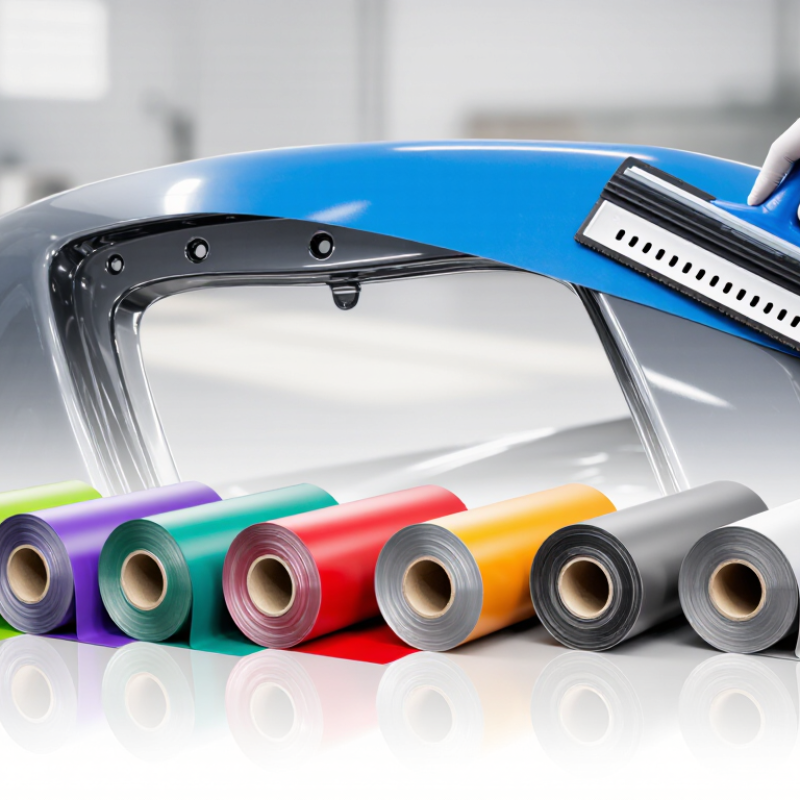
Top 10 Auto Wrap Vinyl Brands for Cars

Automotive Wrap Vinyl: Materials, Finishes, and Common Uses

Automotive wrap vinyl is a thin, flexible film applied over a vehicle’s painted panels. Many films use PVC with an adhesive backing and a protective top layer. Cast vinyl is made to stretch around curves, mirrors, and recessed details. Calendered vinyl is generally better suited to flatter surfaces. Clean paint matters: dust, wax, or loose clear coat can weaken adhesion. Tiny seams matter.

Finishes change both appearance and upkeep. Gloss reflects light and can resemble polished paint, while satin gives a softer sheen. Matte reduces reflections but may show shiny marks if rubbed carelessly. Metallic and color-shifting films add depth; textured films can imitate materials such as brushed metal. These effects are not equally easy to clean. A dramatic texture may collect grime in its grooves.

Wraps are commonly used for full-vehicle color changes, roof accents, stripes, and commercial graphics. Partial coverage can refresh a vehicle’s look while leaving some original paint visible. Film performance depends on installation, weather, washing habits, and exposure to sunlight. Parked outdoors, a wrap may fade or lift sooner than expected. It is easy to overestimate what vinyl can conceal: it will not repair dents or failing paint. Gentle washing and prompt attention to lifting edges help maintain the finish.

Key Criteria for Comparing Car Wrap Vinyl Brands

When comparing car wrap vinyl, judge the film by more than its color or gloss. Check conformability, adhesive behavior, thickness, expected service life, and removal performance. Grand View Research estimated the global automotive wrap films market at about US$4.76 billion in 2023, with projected growth of 22.2% annually from 2024 to 2030. That market estimate signals rising demand, not equal product quality. Small details matter.

Ask for technical data sheets and test methods. Peel adhesion results, such as those measured under ASTM D3330, can help compare adhesive performance, but they do not predict every vehicle’s outcome. Curved panels, cold weather, and rushed installation can change results. Check whether the film has air-release channels and whether its stated durability applies to vertical or horizontal surfaces. Roofs face stronger sun exposure. Ask how the manufacturer defines its service-life figures.

A sensible comparison includes a small test installation on a similarly painted panel. Look for edge lifting, color shift, bubbles, and residue after removal. ASTM weathering tests can provide useful evidence, though real-world exposure varies by climate and care. I would not rank films using a single durability number; that is too neat. Warranty wording, installer skill, and paint condition deserve equal attention, even when they are less exciting than the finish.

Profiles of Ten Major Automotive Wrap Vinyl Brands

One established manufacturer is known for cast films that stretch smoothly over mirrors and shallow body curves. Its broad color range helps shops match subtle factory shades. Another producer focuses on dependable air-release channels, which can reduce trapped bubbles during careful installation. Small details matter. A third offers textured matte and satin finishes; these can hide minor surface reflections but show greasy fingerprints readily. A fourth specializes in metallic films, where directional lighting can make one panel look slightly different from another. Test a sample outdoors.

A fifth supplier develops printable films for custom graphics, making ink adhesion and laminate compatibility important checks. A sixth emphasizes economical calendared materials for flatter panels, though tight recesses may challenge their conformability. A seventh is recognized for vivid gloss colors and consistent roll quality. An eighth builds its range around color-shifting finishes, whose appearance changes with viewing angle and sunlight. A ninth serves installers seeking durable, thicker films for demanding vehicle contours, but added stiffness can slow application. A tenth offers practical everyday colors and accessible product information. Still, no profile guarantees a perfect result: surface preparation, temperature, installer skill, and maintenance all affect appearance and service life.

Top 10 Auto Wrap Vinyl Brands for Cars - Profiles of Ten Major Automotive Wrap Vinyl Brands

These ten anonymous profiles describe common automotive wrap-film product types, not specific manufacturers or brand claims. Film performance, available finishes, installation requirements, and service life vary by product; consult the relevant technical data sheet.

Anonymous Profile Film Construction Common Finish Typical Application Installation Consideration Care and Selection Note
Profile 01 Cast PVC wrap film Gloss solid color Full-vehicle color changes and complex body panels Cast films are generally more conformable than calendered films; follow the film maker’s heating and post-heating instructions. Confirm suitability for the vehicle’s paint condition and the intended exposure before installation.
Profile 02 Cast PVC wrap film Matte solid color Full wraps or selected exterior panels Matte surfaces can show uneven gloss if rubbed or polished; use appropriate tools and handling practices. Check the care guidance for cleaning products and stain removal before choosing a matte finish.
Profile 03 Cast PVC wrap film Satin solid color Full-vehicle styling with a low-sheen appearance Use consistent squeegee pressure and heat to help maintain an even surface appearance. Inspect sample material in daylight, since sheen can look different under varied lighting.
Profile 04 Cast PVC wrap film Metallic or pearlescent effect Color changes and accent panels Directional effects may look different when film sections are oriented inconsistently. Plan panel layout and material direction before cutting to keep the appearance as consistent as possible.
Profile 05 Cast PVC wrap film with a textured surface Carbon-fiber-style texture Interior or exterior accent areas, depending on product approval Texture can affect how the film conforms and how seams appear; avoid stretching beyond the product’s guidance. Verify that the specific film is intended for the selected surface and application environment.
Profile 06 Cast PVC wrap film Brushed-metal effect Decorative panels and full wraps Brushed patterns are directional; align adjacent pieces consistently. Review a physical sample, as printed or digital color representations may not capture texture and reflectivity.
Profile 07 Cast PVC film with a printed graphic design Printed image with a compatible overlaminate Commercial vehicle graphics and custom designs Use a compatible print system, ink, and overlaminate as specified for the intended application. For exterior use, confirm the complete system’s exposure and maintenance guidance, not just the face film’s details.
Profile 08 Calendered PVC film Gloss or matte solid color Flatter surfaces and selected short-term or promotional applications Calendered films are generally less conformable than cast films and may be less suitable for deep recesses or complex curves. Check the product’s stated application limits and expected service conditions before using it on a full vehicle.
Profile 09 Cast PVC wrap film with a specialty finish Color-shift or iridescent effect Custom styling and accent panels Appearance may change with viewing angle and light; consistent orientation can help panels match. Ask for a sample and inspect it from multiple angles before selecting the finish.
Profile 10 Cast PVC wrap film with a protective surface layer Gloss, satin, or specialty finish Vehicle wraps where the selected product offers the desired surface protection Do not assume every film has the same resistance to scratches, chemicals, or weathering; follow its technical documentation. Compare the full product specifications, care instructions, and removal guidance for the intended vehicle use.

How Leading Brands Differ in Durability, Finish, and Price

The ten leading wrap-vinyl options often differ less in color than in construction. Thicker films may resist small scratches and road grit, but thickness alone does not guarantee a longer service life. Look for stated outdoor durability, UV resistance, and clear care instructions. A roof parked in direct summer sun will usually face harsher conditions than a shaded garage car.

Finish changes both appearance and upkeep. Gloss can make paint-like colors look deep, yet dust and fine wash marks may show clearly. Satin softens reflections, while matte can highlight oily fingerprints around door handles. Textured finishes add visual depth. They can also be harder to clean. Small details matter. Ask for a sample and inspect it outdoors, not just under showroom lights.

Price typically reflects film quality, finish complexity, and installation needs. Lower-cost material may suit a short-term color change, but edges can lift sooner if the surface was poorly prepared. Premium film is not automatically the best value for every car. Compare warranty terms carefully, including exclusions for horizontal panels and harsh climates. Installation skill matters too; a good roll can still wrinkle around mirrors or narrow bumper curves. No spec sheet predicts every result. A little uncertainty belongs in the decision.

Choosing and Maintaining a Vinyl Wrap for Your Car

Choosing a wrap starts with the car’s paint, not a color chart. Vinyl can change the appearance, but it cannot repair peeling clear coat or deep chips. Have the surface inspected before installation. Ask how the film handles curves, door edges, and your local climate. A satin gray may look calm indoors, then appear blue outdoors. I wouldn’t choose from a screen alone.

Compare the finish, expected service life, and written warranty terms; these vary by film and installation. Preparation matters as much as the material. Clean, dry panels and careful edge work help reduce lifting. Ask to see wrapped cars several months after installation, not only fresh shop photos. Small seams happen. Still, uneven cuts or trapped dirt deserve a clear explanation before work begins.

After installation, follow the installer’s curing instructions and wait to wash the car as directed. Then use mild car shampoo, clean water, and a soft microfiber mitt. Rinse bird droppings and road salt promptly; don’t scrape them off dry. Keep pressure-washer spray angled away from edges, or hand-wash instead. Park in shade when practical, and check corners every few weeks. Maintenance takes minutes, but neglect can make the finish look tired sooner.