Get an estimate

Top 10 CDX Pine Plywood Manufacturers in China

Choosing a reliable supplier from the Top 10 CDX Pine Plywood Manufacturers in China requires more than comparing prices. Buyers need to assess veneer quality, bonding consistency, panel thickness, and traceable production controls. A sample tells part of the story. The exposed plies, surface patches, and edge bonding tell the rest.

Industry context matters, too. FAOSTAT’s Forestry Production and Trade database tracks wood-based panel production and trade across countries, while the International Tropical Timber Organization’s market reporting follows timber-market conditions and trade developments. These sources help readers understand the broader market, but they do not independently verify individual manufacturers’ claims. Factory audits, current product specifications, and test reports remain essential. Ask suppliers for clear information on wood species, adhesive type, dimensional tolerances, and the tests used to support their stated performance.

Cdx Pine Plyood is often assessed for structural projects where dependable panel quality matters. Yet the term “CDX” alone should not replace a review of the applicable product standard or project requirements. A cautious buyer checks documentation and inspects production evidence before placing a large order. Small details count.

I cannot responsibly attribute a quotation on this topic to a named industry expert without a verifiable source. Any such quote should be checked against the original interview or publication before inclusion. This introduction therefore prioritizes traceable industry references over an unverified endorsement.
Top 10 CDX Pine Plywood Manufacturers in China

What CDX Pine Plywood Is and How It Is Made

CDX Pine Plywood: What It Is and How It Is Made

CDX pine plywood is a structural panel made from thin pine veneers. “C” and “D” describe the visible face grades, while “X” indicates exterior-type adhesive exposure. It does not mean permanently waterproof. That distinction matters on building sites.

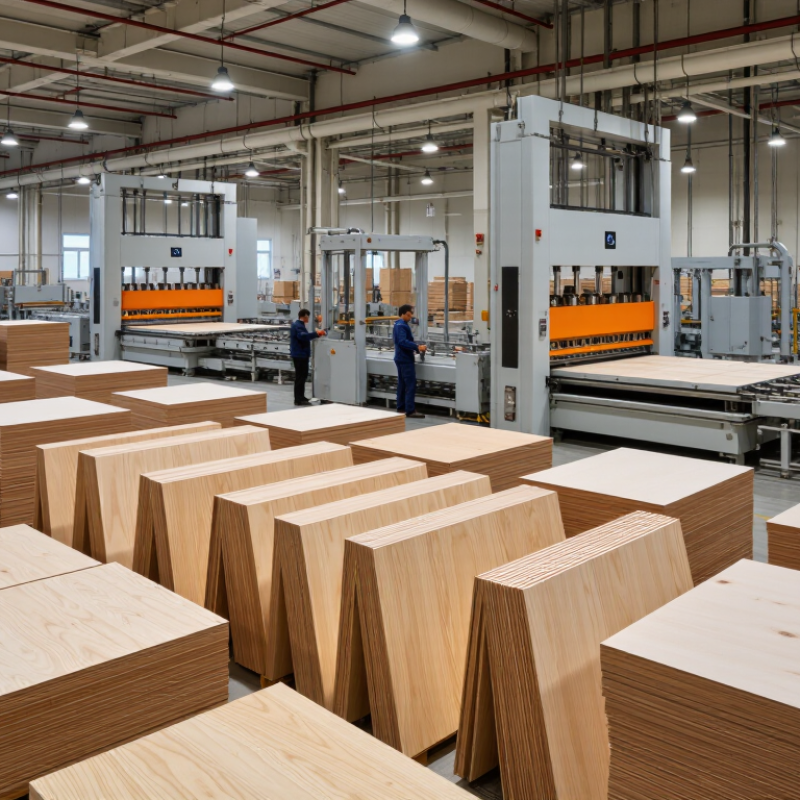
Manufacturing starts with debarked pine logs. A rotary lathe peels them into thin veneers, often near 1.5 to 3 millimeters thick. The veneers are dried, trimmed, and graded for knots, splits, and open defects. Workers then arrange each layer with its grain crossing the next one. This cross-lamination improves dimensional stability and distributes loads more evenly. Adhesive is applied between layers before hot pressing forms a rigid panel.

The USDA Forest Products Laboratory’s Wood Handbook identifies cross-lamination as a key reason plywood resists splitting and movement. The same reference notes that moisture content strongly affects wood performance. The FAO Forestry Production and Trade Yearbook reported roughly 399 million cubic meters of global wood-based panel production in 2022, showing the scale of this material sector.

Yet production volume does not guarantee consistent quality. Press temperature, veneer moisture, glue spread, and edge sealing can vary. A panel may look sound but contain weak bonding inside. Careful buyers should check thickness, panel grade, formaldehyde documentation, and compliance with applicable structural standards. A damp storage yard can also damage good plywood before installation. That is an easy detail to underestimate.

Key Standards and Quality Factors for CDX Pine Plywood

CDX pine plywood is commonly selected for sheathing and other projects where appearance matters less than dependable performance. In North American grading, “C” and “D” describe the face veneer grades, while “Exposure 1” refers to bond durability during temporary moisture exposure. It does not mean the panel is intended for permanent outdoor exposure. Confirm the grade and applicable standard for the destination market before ordering.

Inspect the panel edges for open core gaps, loose veneers, and uneven layers. Check thickness at several points with a caliper, and compare sheet diagonals to spot squareness problems. Faces should be reasonably flat, without excessive patches or splits that could affect installation. A clean surface can still hide a weak core. Look closely.

Bond quality needs more than a quick visual check. Ask for production specifications and relevant test reports, including results for bonding and moisture-related performance. Keep sample panels from the shipment, then compare their thickness, weight, and edge condition with approved samples. Storage also matters: damp ground or uncovered stacks can damage sound plywood. Even careful checks have limits; a single sample cannot represent every sheet in a large shipment.

How to Evaluate CDX Pine Plywood Manufacturers in China

Evaluating CDX pine plywood manufacturers in China requires more than comparing prices. Start with the production site, not the sales brochure. Check whether the factory controls log sourcing, veneer peeling, drying, bonding, and hot pressing. Legal timber documentation and clear batch records indicate stronger supply-chain discipline.

Request recent test reports for panel thickness, moisture content, bonding strength, and formaldehyde emissions. Verify the testing laboratory and match the report numbers with production batches. A reliable manufacturer should provide samples from normal production, not only selected showroom panels. Inspect the edges closely. Open gaps, overlapping veneers, and rough patches often reveal weak core preparation. Ask how operators handle warped veneers and uneven glue spread.

Production capacity also matters. Review press dimensions, shift schedules, inspection points, and packaging methods. A factory may promise large volumes but lack stable drying capacity during humid seasons. Visit the plant when possible. Speak with quality staff, not only export salespeople. Ask for corrective-action records after rejected panels. No factory record is flawless. The response to defects matters more than a polished presentation. I would also test several sheets from different pallets, because one clean sample can create false confidence. Clear specifications should cover grade, thickness tolerance, face quality, packaging, inspection rights, and replacement procedures. This detail prevents arguments when delivered panels differ from approved samples.

Profiles of 10 CDX Pine Plywood Manufacturers in China

China’s CDX pine plywood industry includes factories with very different capabilities. One northern mill benefits from nearby pine resources and produces stable core veneers. Its pressing room uses controlled heat, though seasonal moisture changes still require inspection. A coastal manufacturer focuses on export orders, with calibrated thickness checks and reinforced pallet packing. Delays can occur during peak shipping periods.

A plantation-linked producer emphasizes traceable timber and kiln-dried veneers. Its panels show consistent grain, but buyers should verify moisture records independently. One inland factory serves construction wholesalers with standard 4-by-8-foot sheets. It offers competitive pricing and quick loading. However, surface grading may vary between production batches. Another manufacturer operates an automated sanding line, creating smoother faces for painting and general building use. The equipment is impressive. Maintenance records matter more.

A smaller producer accepts limited custom orders, including unusual thicknesses and cut sizes. Its flexibility suits regional projects, although delivery planning needs careful confirmation. One factory invests heavily in glue testing and checks bond performance under wet conditions. Another combines plywood production with precision cutting, reducing job-site waste. A high-volume mill uses continuous pressing equipment and handles large contracts efficiently. Its minimum order quantity may be restrictive. The final profile is a family-operated plant supplying local distributors, with responsive communication and practical packaging. Factory cleanliness was acceptable, not perfect. Buyers should compare veneer gaps, panel weight, edge sealing, formaldehyde documentation, and batch consistency before choosing a supplier.

Top 10 CDX Pine Plywood Manufacturers in China

Common CDX pine plywood thickness reference used when comparing manufacturer product profiles. The values convert standard inch-based nominal thicknesses into millimetres and do not represent any individual company or brand.

Reference basis: 1 inch = 25.4 mm. Actual available thicknesses, tolerances, grades and panel dimensions should be verified with each supplier.

Comparing Manufacturers by Products, Certifications, and Export Capabilities

When comparing the top 10 CDX pine plywood manufacturers in China, product consistency deserves close attention. Experienced buyers inspect core gaps, veneer thickness, glue spread, and panel moisture. A reliable factory should offer structural CDX panels in common sizes, thicknesses, and face grades. Some also provide film-faced, sanded, or cut-to-size plywood for construction projects. Product samples reveal more than online photographs.

Certifications separate serious suppliers from weak contenders. Check whether FSC documentation covers the actual factory and product line. For indoor and construction markets, verify CARB Phase 2 or EPA TSCA Title VI compliance when required. ISO 9001 can indicate controlled procedures, but it does not prove every panel meets structural standards. Certification scope matters. So does validity. In supplier audits, I would request recent test reports, batch records, and glue-emission data. Paperwork alone is not enough.

Export capability also affects the real purchase cost. Strong manufacturers usually provide moisture-resistant packaging, corner protection, container loading plans, and clear export documents. Port access may shorten delivery, but poor packaging can still damage panel edges. Ask about production capacity during peak seasons. Ask again. My own comparison would score response speed, inspection support, claim handling, and shipment accuracy. Some factories look impressive but struggle with mixed specifications. That weakness is easy to miss before the first container leaves China.