2026 Top AWWA C504 Butterfly Valve Manufacturers?
Selecting an AWWA C504 Butterfly Valve manufacturer is a practical decision, not a brand-name contest. Valve performance affects isolation, flow control, maintenance access, and the reliability of water systems. AWWA C504 sets requirements for rubber-seated butterfly valves, but buyers still need to check how each supplier documents compliance, testing, materials, and operating limits.
The scale of infrastructure renewal makes that scrutiny important. The U.S. Environmental Protection Agency’s 2023 Drinking Water Infrastructure Needs Survey and Assessment estimated $625 billion in drinking water infrastructure needs over 20 years. AWWA’s 2024 State of the Water Industry report also describes infrastructure renewal and investment as continuing concerns for utilities. These reports do not rank valve makers. They do help explain why purchasing teams examine lifecycle costs, lead times, technical support, and replacement-part availability—not just the initial quote.
Details matter. Compare pressure ratings, disc and seat materials, shaft design, coatings, and available sizes against the project specification. Ask for current test records and clear documentation of the applicable AWWA C504 edition. Check whether the manufacturer can support installation and future maintenance. A polished datasheet is useful, but it cannot answer every site-specific question. Rankings are only a starting point; the strongest choice depends on service conditions, procurement requirements, and evidence that stands up to review. One caveat: published claims vary in depth, so buyers should verify them directly.
What Is the AWWA C504 Butterfly Valve Standard?
AWWA C504 sets requirements for rubber-seated butterfly valves used in waterworks service. Its scope covers nominal sizes from 3 to 72 inches, as stated in the standard. It addresses design, materials, dimensions, inspection, and testing. That scope matters. A valve can look suitable on a drawing yet fail to match a pipeline’s pressure conditions or operating needs.
The standard gives engineers and buyers a shared basis for reviewing valve construction and test documentation. It does not replace site-specific checks for pressure, flow, actuation, or installation space. The U.S. Environmental Protection Agency’s 2023 Drinking Water Infrastructure Needs Survey and Assessment estimates $625 billion in drinking-water infrastructure needs over 20 years. That figure is broader than valve spending, but it underscores why clear specifications and dependable testing matter. The standard is useful, though it cannot resolve every field condition.
Tips: Confirm the edition named in the project documents, then compare the supplier’s test records with the required size and service conditions. Check the drawings, too; a small mismatch in face-to-face dimensions can complicate installation. And do not assume a compliant valve is automatically the right valve.
AWWA C504 Butterfly Valve Standard: Pressure Classes
AWWA C504 covers rubber-seated butterfly valves for waterworks service. The chart shows the nominal working-pressure ratings associated with its pressure-class designations; it is not a manufacturer ranking.
Ratings shown are nominal working pressures in psi. Confirm the applicable AWWA C504 edition and project specifications for valve size, service conditions, and required testing.
How AWWA C504 Butterfly Valves Are Designed and Used
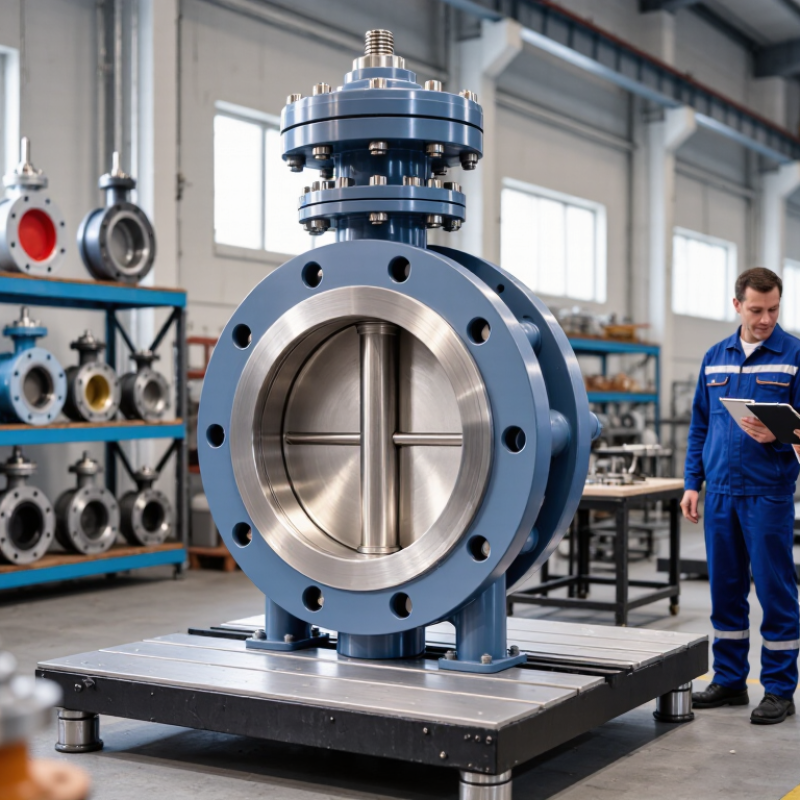
AWWA C504 butterfly valves are designed for waterworks systems where dependable shutoff and manageable operating torque matter. A circular disc turns about a shaft inside the valve body. At full opening, the disc sits nearly parallel to the flow; when closed, its resilient seat forms the sealing surface. Simple geometry. But seat condition and alignment matter.
The standard sets requirements for factors such as valve dimensions, pressure ratings, materials, and testing. The right selection still depends on the project. Engineers check pipeline pressure, water chemistry, operating frequency, actuator needs, and available space. A valve that fits the line may not suit its duty. That distinction is easy to miss on a drawing.
These valves are commonly installed in treatment plants, pump stations, and distribution pipelines for isolation or flow regulation. Operators may use a gear operator or an actuator, depending on valve size and control needs. During installation, crews should protect the seat from debris and avoid forcing the disc against a misaligned pipe. Small details count. Periodic inspection can reveal seat wear, corrosion, or operating changes before they disrupt service. No specification replaces field judgment; even a correctly rated valve deserves careful commissioning.
Which Manufacturers Serve the 2026 AWWA C504 Market?
The 2026 AWWA C504 market is served by specialized waterworks valve manufacturers, regional producers, and suppliers that build to project specifications. Buyers should check more than catalog claims: confirm the offered valve’s size, pressure class, materials, actuation, and compliance with the edition of C504 named in the contract. Ask for drawings, material records, inspection results, and references from comparable water-service installations. Details matter.
Demand is supported by long-term infrastructure needs, though those figures do not measure valve sales. The U.S. Environmental Protection Agency’s 2023 Drinking Water Infrastructure Needs Survey and Assessment estimates $625 billion in drinking-water investment needs over 20 years. That is useful context, not a forecast of C504 orders. It suggests a broad renewal pipeline, while local budgets and project schedules still shape purchasing. A careful shortlist should include manufacturers able to document traceability, testing, delivery capacity, and technical support near the installation site. Some suppliers may offer C504-listed products yet have limited field-service coverage; that gap deserves scrutiny. Verify claims directly, and treat an attractive lead time as provisional until production and inspection dates are confirmed.
How to Compare AWWA C504 Butterfly Valve Manufacturers
How to Compare AWWA C504 Butterfly Valve Manufacturers
When comparing AWWA C504 butterfly valve manufacturers, begin with the project specification, not a sales brochure. Confirm the proposed valve’s size, pressure class, materials, and end connections suit the drawings and operating conditions. Ask for relevant compliance documents, inspection records, and pressure-test reports. A certificate alone may not show how a particular unit was checked. Details matter. Check whether seat and shaft materials fit the water chemistry, temperature, and expected operating frequency.
Review how the manufacturer controls production. Ask how castings are inspected, coatings are applied, and test results are linked to each valve’s serial number. Request drawings and dimensional data for the exact configuration, especially when replacing an existing valve. Small differences can complicate installation. It is easy to overlook access for an actuator or the space needed to remove components later.
Compare lifecycle support as well as purchase price. Check actuator compatibility, operating torque data, spare-part availability, delivery estimates, and warranty conditions. References from similar sizes and service conditions can be useful, but they do not guarantee the same result at your site. Even a careful checklist has limits; project teams should review exceptions with the responsible engineer before approving a substitution. Ask who will answer technical questions after delivery, and how quickly.
What Buyers Should Verify Before Choosing a Manufacturer
Before selecting an AWWA C504 butterfly valve manufacturer, request the exact standard edition and a clause-by-clause compliance statement. check valve size, pressure class, disc and shaft materials, seat construction, and permitted operating conditions against your project specification. A certificate alone is not enough. Ask for hydrostatic and seat-leakage test records tied to the valve’s serial number, plus documented inspection and traceability procedures.
The U.S. EPA’s 2023 Drinking Water Infrastructure Needs Survey and Assessment estimated $625 billion in drinking-water infrastructure needs over 20 years. That figure makes long-term reliability more than a procurement detail. Verify coating specifications, corrosion protection, actuator compatibility, spare-parts availability, and written warranty terms. Ask for references involving similar pipe sizes, pressures, and service conditions. Details matter. A polished brochure cannot show how a valve performs after years in a buried line.
Review factory quality records and confirm who performs final testing. Request sample drawings, material certificates, and maintenance instructions before approval. For critical installations, clarify lead times and support for replacement parts in writing. These checks take time. I would also compare the documents with the actual project requirements; it is easy to overlook a mismatch when reviewing familiar specifications. EPA’s estimate describes system-wide need, not valve performance, so use it as context—not proof of any manufacturer’s quality.

