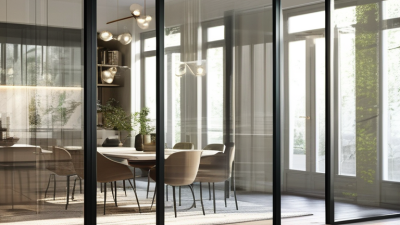
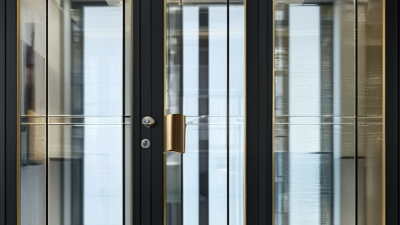
Choosing the best Banded Glass Walls requires more than comparing frame colors or glass thickness. A successful system must balance daylight, privacy, acoustics, safety, and long-term maintenance. The right choice should feel calm in a busy office, not fragile or overly decorative.
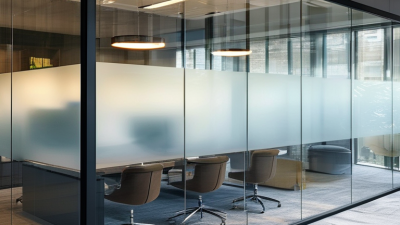
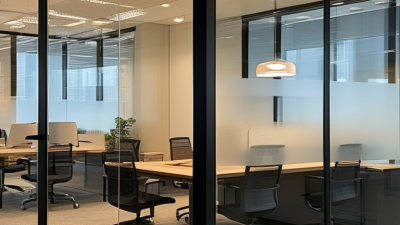
Architect and light designer James Carpenter describes his approach this way: “Light is not simply illumination; it is a building material.” His idea applies strongly to Banded Glass Walls. A horizontal band can soften glare, guide sightlines, and create privacy without closing a room completely. Clear glass may brighten a corridor, while frosted or ceramic bands can protect meeting areas from unwanted views. Small details matter. Poorly placed bands can interrupt visual flow or make a narrow room feel heavier.
Reliable selection starts with the building’s actual conditions. Measure daylight exposure, occupant movement, cleaning access, and acoustic expectations. Ask for tested performance data, not only attractive samples. A warm showroom can hide fingerprints, reflections, and edge details. It is also worth checking how the wall connects to floors, ceilings, doors, and fire-rated assemblies. These junctions often decide whether the finished installation looks precise.
There is no universal winner. A premium system may still be unsuitable for a humid lobby or a high-traffic school. Even experienced teams sometimes underestimate installation tolerances. That deserves honest review. The best Banded Glass Walls combine tested materials, thoughtful band placement, and workmanship that remains convincing years later.
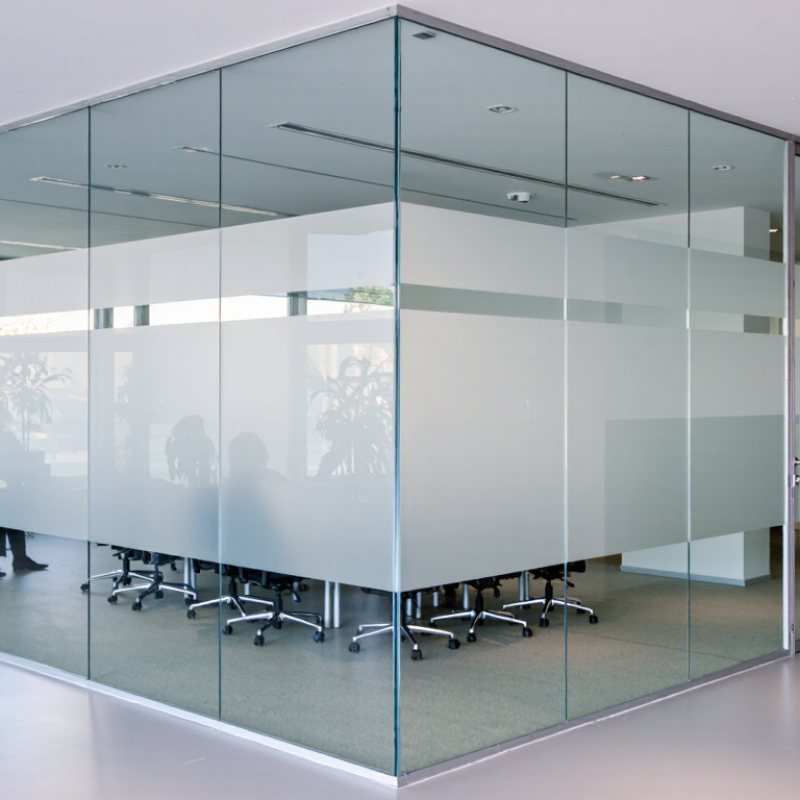
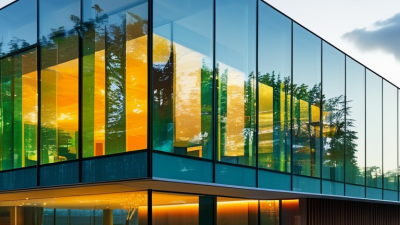
Banded glass walls organize a facade into clear horizontal zones. Vision bands use transparent or lightly tinted glass for occupied spaces. They bring daylight inside and frame views of streets, courtyards, or neighboring buildings. Their performance depends on glass coating, thickness, edge details, and interior shading.
Spandrel bands conceal floor slabs, insulation, fire barriers, and mechanical zones. They may use opaque glass, back-painted panels, or insulated assemblies. A spandrel can look uniform from outside, but its cavity needs careful coordination. Poor insulation or missing barriers may create condensation and uneven colors. Small details matter.
Curtain-wall frames hold both vision and spandrel units. Common systems use aluminum mullions, pressure plates, gaskets, and drained joints. On site, installers check plumb lines, gasket compression, sealant continuity, and panel alignment. A few millimeters can change the rhythm of an entire elevation. Factory quality records, air and water testing, thermal calculations, and sample inspections support reliable purchasing. The best supplier is not always the cheapest. A polished sample may hide weak coordination. Request full-size mock-ups and review them under daylight. Even experienced teams can miss drainage paths. That deserves a second look.
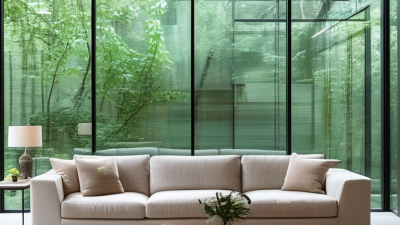
When comparing banded glass walls made in China, performance matters more than appearance. A reliable evaluation starts with four tested values: U-value, SHGC, air leakage, and STC rating. Lower U-values usually indicate better insulation. However, the frame, spacers, coatings, and installation also affect real heat loss. A strong glass unit can perform poorly inside a weak curtain wall system.
SHGC shows how much solar heat enters the building. Lower values may reduce cooling loads in hot, sunny regions. Higher values can help passive heating in colder climates. Local orientation matters. Air leakage should be checked at a stated pressure, using recognized testing procedures. Even a small installation gap can create drafts, moisture risk, and energy waste. Factory inspection should include gaskets, corners, drainage paths, and sealant continuity.
STC ratings help compare indoor sound control, especially near roads or dense urban areas. Yet STC is a laboratory result, not a guarantee for every occupied building. Flanking noise through floors, ceilings, and joints can reduce actual performance. I would request complete test reports, product samples, and project references before approval. This is where specifications often become less impressive. A higher rating may also bring thicker glass, heavier frames, or greater cost. The best choice balances climate, noise exposure, structure, maintenance, and verified installation quality.
Safety begins with the glass build-up, not the decorative bands. For many interior and exterior walls, 6–12 mm glass offers a practical design range. Single tempered glass can provide strength, but it may fail sharply after severe impact. Laminated glass holds broken pieces together through an interlayer. That difference matters beside walkways, stairs, and busy entrances.
Heat-soak testing is an important quality check for fully tempered glass. The process exposes panels to controlled heat, helping identify glass containing critical nickel sulfide inclusions. Panels that survive testing may reduce spontaneous breakage risk. The test is not a magic shield. Poor edge finishing, frame movement, or incorrect installation can still create failure.
Every panel should match its support system and design loads. Banded patterns also need clear sightlines and consistent alignment.
On site, small details become visible quickly. Sharp cut edges, uneven gaskets, and trapped setting blocks can stress the glass. Use compatible sealants and verify the interlayer for the project environment. Moisture, heat, and ultraviolet exposure can affect long-term performance.
A stronger specification is useful, but it can become wasteful without structural review. The best wall is not simply the thickest one. It is the system with tested glass, reliable fabrication, careful installation, and documented inspection.
The best China banded glass walls are proven by measured performance, not appearance alone. ASTM E330/E330M evaluates structural behavior under uniform air pressure. It records deflection, permanent deformation, and damage after loading. A 2.4 kPa test pressure equals approximately 50 pounds per square foot. That figure is only an example, not a universal design requirement.
EN 13830 evaluates curtain walling as a complete system. Its assessment covers wind resistance, air permeability, watertightness, and safety-related performance. An independent laboratory report should identify specimen size, glass configuration, pressure cycles, and failure observations. Missing details weaken confidence. A polished certificate can still hide an unsuitable mullion or weak connection.
Field experience shows that banded layouts need careful attention at horizontal joints. Water can collect behind opaque bands, especially where drainage paths are interrupted. ASTM E330 structural results should therefore be reviewed beside water-testing evidence. EN 13830 documentation should also match the proposed anchors, gaskets, glass thickness, and installation method.
Industry facade testing reports repeatedly emphasize that laboratory success depends on realistic assembly details. This point is easy to overlook. Engineers should question test limits, not merely accept pass labels. A better specification states design wind pressure, allowable deflection, glass safety requirements, and inspection records before procurement.
Choosing a Chinese supplier for banded glass walls requires more than comparing prices. GB/T 21086-2007 evaluates curtain-wall performance, including wind resistance, air tightness, water tightness, and thermal behavior. Ask for recent laboratory reports, not only a compliance statement. The reports should match your proposed glass thickness, mullion spacing, seals, and fixing method. A certificate from another project may not represent your wall.
ISO 9001 is useful, but it does not certify the finished façade. The ISO Survey 2023 recorded more than 1.2 million ISO 9001 certificates in China, showing broad adoption of quality systems. It does not prove consistent fabrication. Check inspection records, calibration logs, material traceability, and nonconformance procedures. I once treated an ISO certificate as product evidence. That was a mistake. Visit the workshop, if possible. Look closely at corner joints and drainage paths.
The warranty should define glass, coatings, sealants, hardware, labor, and response time separately. Request written coverage for seal failure, excessive leakage, coating defects, and hardware corrosion. A five-year labor warranty may sound adequate, yet insulated-glass sealants can require longer performance expectations. The UNEP Global Status Report for Buildings and Construction 2023 attributes about 37% of global energy-related emissions to buildings and construction. Therefore, demand documented U-values and solar-control data. Ask who pays for testing, access equipment, replacement, and shipping. Vague wording creates expensive arguments later. Some terms will still need negotiation.
Selecting a Chinese supplier should focus on verifiable standards and clear contractual protection. This chart shows the recommended evidence items to review in each area.
Checklist basis: GB/T 21086 documentation, ISO 9001 certification verification, and essential warranty terms. The values represent the number of evidence items to review, not a supplier score.