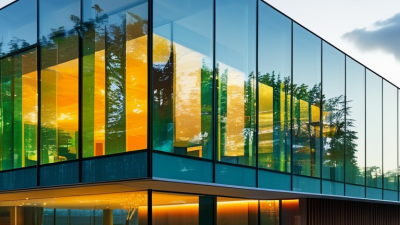
How to Choose the Best Frameless Glass Walls for Your Space?
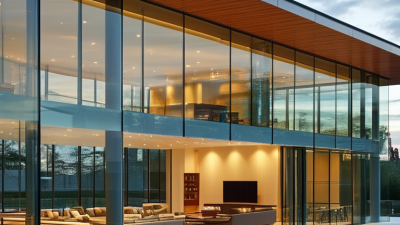
When it comes to designing modern spaces, Frameless Glass Walls have become a popular choice. Experts agree that these installations can enhance aesthetics and functionality. Sarah Thompson, a leading architect in sustainable design, emphasizes, “Frameless Glass Walls create an illusion of space while connecting interiors to the outside world.”
Choosing the right Frameless Glass Walls involves understanding your space's unique needs. Consider factors like light, privacy, and climate. Each glass wall can drastically impact how a room feels. It's essential to strike a balance between visibility and seclusion. Quality materials can make a difference, ensuring durability amid varying weather conditions.
Not all Frameless Glass Walls are created equal. Some may not offer the thermal insulation you need. Others may lack the necessary structural integrity. Proper installation is crucial for maximizing their benefits. Reflecting on these factors will aid in making informed choices. Selecting the ideal Frameless Glass Walls can transform your environment, but it requires careful consideration and some risk.
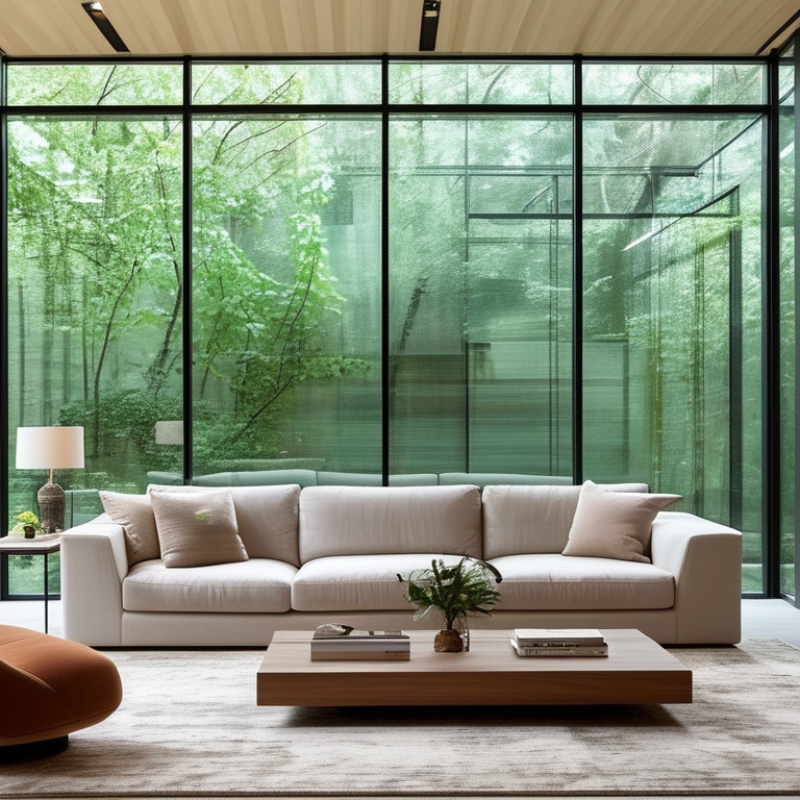
Understanding the Benefits of Frameless Glass Walls in Design
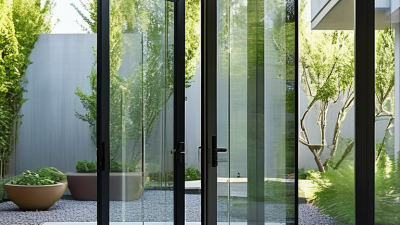
Frameless glass walls offer a stunning visual appeal while maximizing natural light. According to a report by the American Institute of Architects, the demand for glass in modern design has increased by approximately 20% over the past five years. This trend highlights the growing appreciation for transparency and openness in residential and commercial spaces. These walls create a seamless transition between indoor and outdoor environments, enhancing the overall aesthetic and functionality of a space.
When considering frameless glass walls, it’s essential to recognize their thermal efficiency. Many products now use tempered and insulated glass, which can reduce energy costs significantly. Research from the National Renewable Energy Laboratory indicates that homes with adequate natural light can save up to 15% on energy bills. However, one must also consider the potential drawbacks. While frameless designs are visually striking, their installation can be more complex and may require professional input.
Every project should consider the balance of beauty and practicality. For example, you might want to assess your space orientation before installation. If your walls face direct sunlight, this could lead to overheating without proper shading solutions. Quality installation and reliable materials are crucial. Engaging a qualified professional can ensure durability and safety, addressing concerns about structural integrity over time.
Assessing Space Requirements for Frameless Glass Wall Installation
When planning for frameless glass wall installation, assessing your space requirements is crucial. Start by measuring the area where you intend to install the walls. Be precise; even small discrepancies can affect the overall aesthetics and functionality. Consider existing structures, such as windows and doors. Their placement may impact the installation process and visual flow.
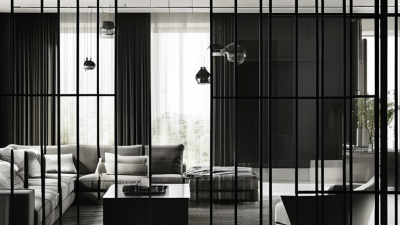
Next, think about the intended function of the space. Are you looking to create an open feel in a small office? Or perhaps you want to partition areas in a larger room? Each scenario requires different glass wall configurations. Additionally, account for natural light. Frameless glass walls can enhance illumination, but too much sunlight might create glare.
Reflect on potential obstructions or layouts that could complicate installation. Uneven surfaces or structural elements may challenge the process. Consult with experts who can provide insights specific to your space. Their knowledge can help you avoid costly mistakes. This proactive approach can lead to a satisfying installation that enhances your environment.
How to Choose the Best Frameless Glass Walls for Your Space? - Assessing Space Requirements for Frameless Glass Wall Installation
| Dimension |
Requirements |
Considerations |
| Height |
Minimum 7 ft (2.13 m) |
Ensure compliance with local building codes |
| Width |
Varies based on space |
Account for door openings and flow of movement |
| Thickness |
Typically 10 mm - 12 mm |
Adequate thickness for structural integrity |
| Material |
Tempered glass is recommended |
Safety and durability considerations |
| Finish |
Clear, frosted, or tinted |
Impact on natural light and privacy |
| Installation Location |
Interior or exterior applications |
Weather resistance for outdoor walls |
Evaluating Glass Types and Thickness for Optimal Performance
When selecting frameless glass walls, the glass type and thickness play crucial roles in performance. Safety and aesthetics are paramount. Tempered glass, known for its strength, is a popular choice. It can withstand impacts better than regular glass. However, are you aware of its limitations in extreme temperatures? Consider how your environment might affect performance.
Thickness is another critical factor. Standard options range from 10 mm to 12 mm. Thicker glass can provide better insulation and soundproofing. Yet, heavier glass means more weight on the frame. This can be a concern for structural integrity. It's essential to balance beauty with functionality.
Exploring these aspects requires careful thought. Not every glass type fits every space. Common mistakes include underestimating local weather conditions. Reflect on your unique context to avoid costly mishaps. The right choice enhances your space's openness while ensuring durability. Keep your goals and needs in mind as you navigate the options.
Choosing Framing and Hardware Options for Durability and Aesthetics
When selecting frameless glass walls, durability and aesthetics are crucial. The choice of framing materials significantly affects both the visual appeal and longevity of the installation. Aluminum framing systems are popular due to their lightweight and corrosion-resistant properties. Reports indicate that aluminum can withstand considerable stress, making it suitable for large openings. In fact, over 70% of architects prefer aluminum for its modern look and robustness.
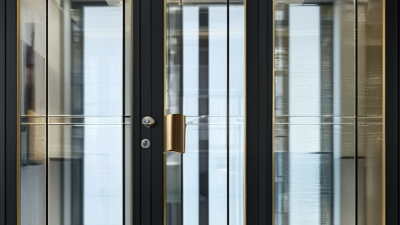
Hardware options also play a vital role. High-quality hinges and locks can enhance security and functionality. Stainless steel is often the material of choice for these components due to its durability. Research shows that using top-grade hardware can extend the lifespan of frameless glass installations by up to 30%. However, it's essential to reflect on the installation process and ensure that all components are compatible. An oversight in choosing compatible parts can lead to weakness in structure.
Understanding the environmental conditions of your space is equally important. For instance, areas with high humidity may require specific coatings to prevent corrosion. Even in seemingly dry regions, seasonal changes can impact the integrity of the structure. Regular maintenance checks are advisable to adapt to these fluctuations—neglecting this aspect may lead to unexpected issues down the line.
Durability and Aesthetics of Frameless Glass Walls
Understanding Maintenance and Care for Frameless Glass Walls
Frameless glass walls offer a stunning view and create an open atmosphere. However, they do require a specific maintenance routine to keep them looking their best. Regular cleaning is essential, as glass can attract dust and smudges. A mild, non-abrasive cleaner works well. For daily upkeep, a simple wipe with a soft cloth can prevent build-up.
Beyond cleaning, inspect seals and hardware regularly. Over time, weather changes can impact their integrity. Check for any gaps where moisture can enter. If you notice issues, address them promptly. Ignoring small problems can lead to more extensive repairs later.
Consider the environment around your glass walls. Exposure to harsh sunlight can lead to discoloration over time. Using window treatments can be a simple but effective way to mitigate this issue. Reflect on how often you use the space. The more traffic, the more care needed. Keep an eye on the area to maintain its elegance. Each small effort contributes to the longevity of your frameless glass walls.