How to Choose the Best Single Glazed Partitions for Your Space?
When it comes to optimizing your space, understanding the role of Single Glazed Partitions is crucial. Renowned expert in interior design, Sarah Mitchell, emphasizes, "The right partitions can transform how we interact with our environments." These partitions create a sense of openness while providing necessary divisions in both commercial and residential settings.
Choosing the best Single Glazed Partitions involves careful consideration. Think about the natural light flow and the visual connectivity of spaces. Reflect on how different designs influence atmosphere and functionality. Each choice should enhance the overall aesthetic while serving practical needs.
Creating a balance between style and utility can be challenging. It's essential to ask questions and seek expert advice. A misstep in selecting a partition can significantly impact functionality. Remember, it's not just about aesthetics; the partitions should support your daily activities. Thoughtfully chosen Single Glazed Partitions can elevate your environment while maintaining a design that suits your personal or business ethos.
Understanding Single Glazed Partitions and Their Benefits
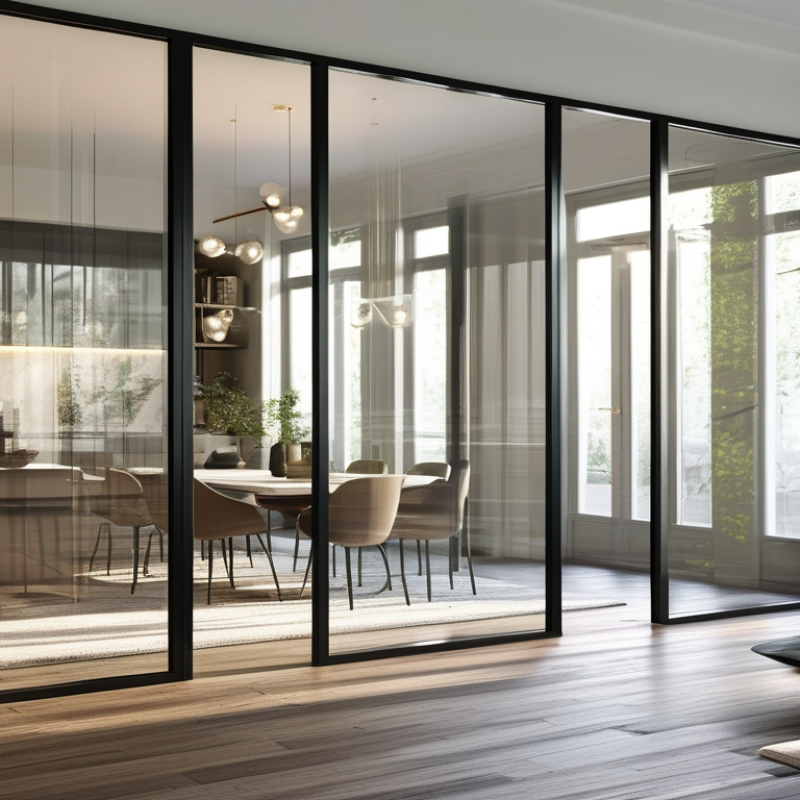
Single glazed partitions are an increasingly popular choice for modern office spaces. These partitions are made from a single layer of glass, offering a sleek, minimalistic look. A report from the Association for Effective Workplace Design highlights that incorporating glass can improve employee productivity by up to 15%. The transparency allows natural light to flow, creating a more inviting atmosphere. With proper insulation, they can also reduce noise levels by 30%, making them suitable for collaborative work environments.
Another significant benefit of single glazed partitions is their cost-effectiveness. They are generally less expensive than double glazed options, making them appealing for businesses on a budget. However, one must consider the potential thermal inefficiency. In colder climates, the single layer may not provide adequate insulation. This can lead to increased energy costs and discomfort for employees. Choosing the right solution involves balancing aesthetics, functionality, and budget.
Furthermore, maintenance requirements are a key aspect to ponder. Single glazed glass is often easier to clean and maintain compared to more complex partition systems. However, the reflective surface can show smudges and fingerprints more easily. It's vital to factor in the long-term upkeep when selecting partitions. Ultimately, a well-informed decision will consider both immediate and future needs.
Evaluating Your Space Requirements for Partitions
When evaluating your space requirements for single glazed partitions, focus on functionality and aesthetics. The ideal partition should align with your workplace's needs. Research shows that effective space design can boost productivity by up to 20%. Thus, understanding your workflow patterns is crucial.
Consider the dimensions of the rooms. Not every space benefits from the same partition layout. Lighting plays a significant role in creating an inviting atmosphere. Natural light can enhance employee satisfaction. According to studies, spaces with more natural light report a 15% increase in employee well-being.
Take into account acoustic properties as well. Single glazed partitions may not provide optimal sound insulation. If noise interference affects concentration, reflect on altering your design. Analyze the balance between openness and privacy for your team. Small adjustments can impact collaboration positively.
How to Choose the Best Single Glazed Partitions for Your Space? - Evaluating Your Space Requirements for Partitions
| Space Type |
Partition Height (ft) |
Acoustic Rating (dB) |
Light Transmission (%) |
Typical Use Case |
| Office |
8 |
35 |
70 |
Meeting Rooms & Breakout Areas |
| Retail |
10 |
25 |
80 |
Showrooms & Product Displays |
| Educational |
9 |
30 |
75 |
Classrooms & Lecture Halls |
| Healthcare |
7 |
40 |
60 |
Patient Rooms & Waiting Areas |
Material Options for Single Glazed Partitions: Pros and Cons
When considering single glazed partitions, various materials come into play. Glass is often the primary choice due to its clarity and aesthetic appeal. It's great for natural light, creating an open feel. However, glass can be fragile and may require regular cleaning. It lacks soundproofing, which might be a drawback in noisy environments.
Aluminum frames are another popular option. They’re durable and resistant to wear over time. This material is also lightweight and easy to install. On the downside, aluminum can create cold spots in winter. It may need additional insulation to enhance comfort.
Wood is a classic choice for warmth and aesthetic value. It provides good insulation and can reduce noise. However, wooden partitions often require maintenance. They might also warp or expand over time due to humidity. The right material ultimately depends on your specific needs and the environment you’re in.
Design Considerations for Aesthetic and Functional Spaces
Choosing the right single glazed partitions can greatly enhance both the aesthetics and functionality of a space. Design considerations are crucial. A recent industry report indicated that effective use of glass can improve natural light by 50%. This light boosts mood and productivity, making a significant difference in workplaces.
When selecting partitions, think about transparency and texture. Clear glass partitions create an illusion of space, while frosted glass adds privacy without losing light. Consider the layout carefully; open environments encourage collaboration. However, don't neglect areas requiring focus or quiet. Research shows that noise can drop productivity by as much as 66%. Striking a balance between open and enclosed areas is essential.
Color and frame materials also impact design. A neutral palette harmonizes with various designs, while bold frames can serve as focal points. Evaluate your space carefully. Each choice should align with your goals and user needs. It’s important to remain flexible and iteratively adjust your design. An adaptable approach will ultimately lead to better designs and more satisfied occupants.
Single Glazed Partitions: Design Considerations for Aesthetic and Functional Spaces
Installation and Maintenance Tips for Longevity of Partitions
When installing single glazed partitions, attention to detail is crucial for longevity. Regular maintenance can prevent costly repairs. According to the Global Construction Review, proper care can extend the lifespan of partitions by 30%. This includes routine cleaning and checking for any signs of wear. Small cracks might seem minor, but they can worsen over time, leading to significant issues.
Use a gentle cleaner and soft cloth to maintain clarity. Harsh chemicals can damage the surface. Additionally, be alert for changes in the sealant. Over time, seals can deteriorate, allowing air and moisture to enter. This could compromise the integrity of the partition.
Consider the environment where the partitions are installed. High humidity can weaken materials. Monitoring indoor climate can mitigate risks. In a recent survey by the Occupational Safety and Health Administration, improper installation and maintenance led to 25% of reported workplace accidents. Keeping an eye on structural integrity is essential. Ultimately, regular assessments will ensure that partitions remain functional and visually appealing for years to come.