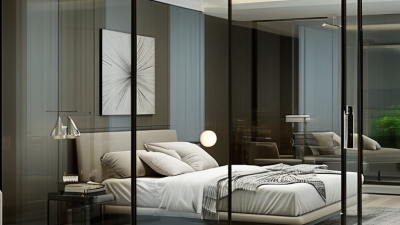
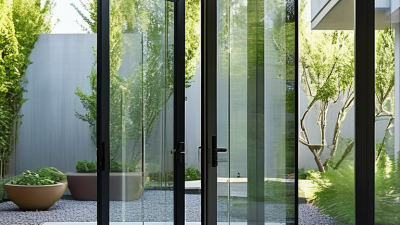
What Is Low Iron Glass and Why Choose It?
What Is Low Iron Glass and Why Choose It? The answer begins with a quiet material difference. Standard float glass contains iron oxides, which can create a noticeable green tint, especially along thick edges. Low Iron Glass reduces that iron content. The result is clearer daylight, cleaner colors, and a more neutral appearance.
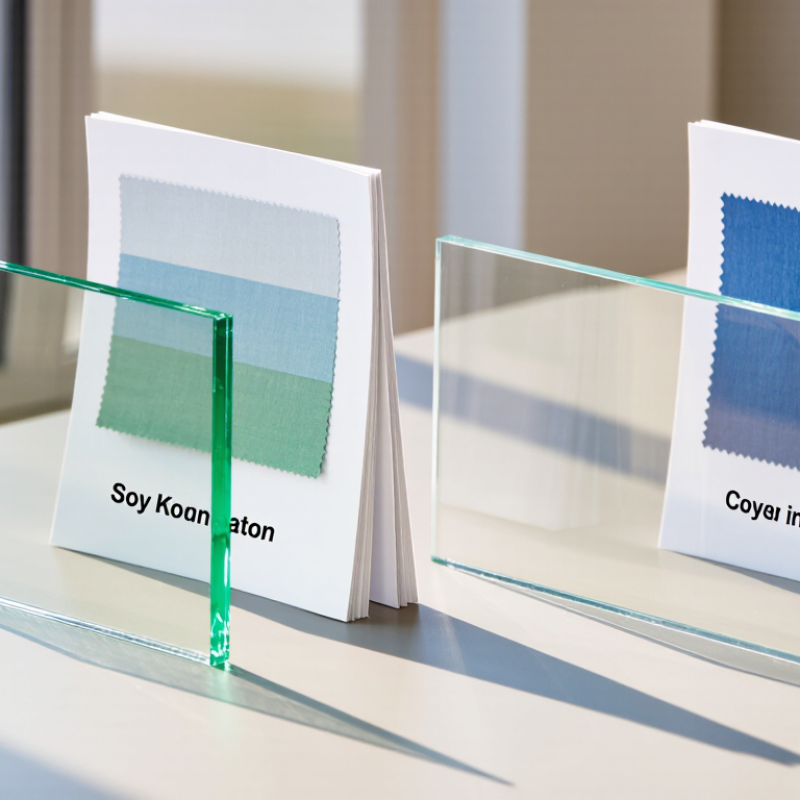
Building-envelope expert Helen Sanders has emphasized, “Glass is part of the building envelope, not merely a transparent opening.” That view matters here. Low Iron Glass affects how a showroom display, museum object, kitchen backsplash, or solar panel appears under changing light. A white wall can look genuinely white. Blue fabrics can appear less muted. Thick table edges become less visibly green.
It is not automatically the best choice.
The material often costs more than ordinary clear glass. Its clarity also makes fingerprints, dust, scratches, and uneven installation easier to notice. Performance depends on thickness, coatings, heat treatment, framing, and the supplier’s stated light-transmission values. A careful specification should review safety requirements, solar control, thermal performance, and edge visibility together.
In practical use, the strongest reason to choose Low Iron Glass is visual accuracy. Designers may select it for display cases, premium interiors, architectural façades, and high-end furniture. Yet expectations should remain realistic. Low iron does not mean invisible, unbreakable, or maintenance-free. It is a refined glass option, not a magic solution. The right decision comes from comparing appearance, budget, durability, and the actual light conditions of the project.
What Is Low Iron Glass?
What Is Low Iron Glass?
Low iron glass is made with raw materials containing less iron oxide than standard clear glass. This small chemical difference creates a visible result. The glass looks cleaner, brighter, and less green, especially along exposed edges.
Standard glass can show a green tint when viewed through its thickness. Low iron glass reduces that tint and allows more natural light to pass through. It is often selected for display cases, interior partitions, shower screens, museum glazing, and large windows.
In practice, the clearest advantage appears beside white walls, pale fabrics, or detailed objects. A small edge may still show color. It is not a magic solution.
Glass performance depends on more than iron content. Thickness, coatings, heat treatment, framing, and installation quality also affect the final appearance. Experienced fabricators should check technical data before cutting or ordering panels. Light transmission values can vary between products, so visual samples are useful. A sample viewed indoors may look different in direct sunlight. That difference is easy to overlook.
Tips:
Compare a sample against white paper and dark backgrounds. Inspect the edge, not only the face. Confirm thickness, safety treatment, and coating compatibility with a qualified glass professional. Low iron glass can improve clarity, but it may cost more and cannot hide poor installation. Even careful specifications sometimes need adjustment after seeing the finished space.
Key Properties of Low Iron Glass
Low iron glass contains far less iron oxide than conventional clear glass. This reduces the green tint seen along edges and across thicker panes. The result is cleaner color and stronger visual depth. It matters in display cases, façades, skylights, and solar applications.
Its key property is higher visible light transmission. Spectral records in Lawrence Berkeley National Laboratory’s International Glazing Database, 2023 release, show that 6 mm low iron glass can transmit roughly 91–92% of visible light. Comparable clear glass often transmits about 88–90%, depending on composition and coating. That difference seems small. It becomes obvious beside white paper or pale stone. Low iron glass also improves daylight uniformity and preserves the intended color of objects behind it. However, it does not automatically provide better thermal performance. Heat gain still depends on thickness, coatings, framing, and orientation.
Solar manufacturers also value this material because every lost percentage of transmission can reduce useful sunlight reaching the cells. The Fraunhofer ISE Photovoltaics Report 2024 highlights optical losses as an important factor in module performance, although glass quality is only one part of the system. In practice, installers should request tested spectral data, not rely on the phrase “high clarity.” Edge color, surface reflection, and coating durability still need review. A perfect-looking sample can disappoint at full scale. Even low iron glass may show slight color variation after lamination, especially with thick or laminated assemblies.
Why Choose Low Iron Glass?
Low-iron glass is chosen mainly for clearer daylight and more accurate color. Its reduced iron content minimizes the green tint found in standard clear glass. Technical data from architectural glass manufacturers commonly report visible light transmittance above 90%, compared with roughly 82–89% for conventional clear glass. The difference becomes obvious beside white walls, pale stone, or water features.
Why choose low-iron glass? Retail interiors, galleries, hotels, and luxury homes benefit from cleaner views and stronger daylight. The U.S. Department of Energy reports that windows can account for 25–30% of residential heating and cooling energy use. Low-iron glass does not automatically solve that problem. Solar-control coatings, frame design, orientation, and shading still matter. Sometimes, clearer glass may even increase unwanted solar heat.
It needs careful specification.
The International Energy Agency’s Buildings 2023 report states that building operations represent about 30% of global final energy demand. Better glazing can support efficiency, but performance depends on the complete window system. In practical specification reviews, I would compare visible transmittance, solar heat gain coefficient, U-value, glare risk, and safety requirements together. A common mistake is choosing maximum clarity without checking afternoon heat or screen reflections. Low-iron glass also carries additional manufacturing impacts, so the clearest option is not always the most responsible one. A balanced design usually performs better.
What Is Low Iron Glass and Why Choose It?
Typical visible light transmittance compared with standard clear glass at different thicknesses
Low iron glass contains significantly less iron oxide than standard clear glass, reducing the green tint and allowing more natural light to pass through. As glass becomes thicker, light transmission generally decreases; however, low iron glass maintains higher transparency and more accurate color appearance. The values shown are representative optical performance figures for commonly used clear architectural glass.