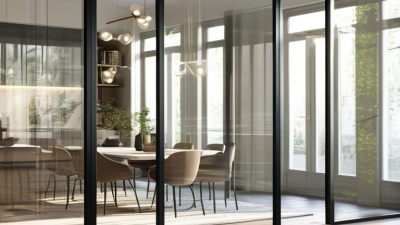
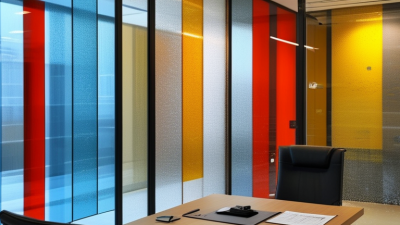
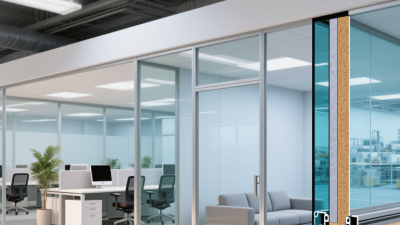
Tempered Glass Walls are used to create open, bright, and visibly connected interior spaces. They divide offices, conference rooms, retail areas, hotels, hospitals, and residential bathrooms. In a busy office, a clear partition can reduce visual barriers while still controlling noise and access. In a shower enclosure, the smooth surface resists moisture and simplifies daily cleaning. These walls also appear beside stairways, balconies, and entrances when designers need light without sacrificing basic safety performance.
Tempered glass is heated and rapidly cooled during manufacturing. This process increases its strength compared with ordinary annealed glass. If breakage occurs, it usually forms small, blunt-edged fragments instead of long, sharp shards. However, it is not unbreakable. That distinction matters. The National Glass Association’s technical guidance stresses correct glass selection, edge protection, and professional installation. Safety glazing should also meet applicable requirements, such as ANSI Z97.1 or CPSC 16 CFR 1201 in the United States. European projects may reference EN 12150.
Construction remains a major end-use area in Grand View Research’s 2024 tempered glass market analysis. Its findings support continued demand for architectural glazing, although market forecasts vary by region and research method. The World Green Building Council has also reported that buildings contribute substantially to global energy-related emissions, making daylighting and envelope design important planning concerns. Still, clear walls alone do not guarantee energy savings. Orientation, coatings, frames, ventilation, and shading influence real performance. A market report cannot replace a site assessment. That is the imperfect part designers must remember. Proper specifications, verified dimensions, impact considerations, and qualified installers determine whether Tempered Glass Walls are genuinely suitable for each project.
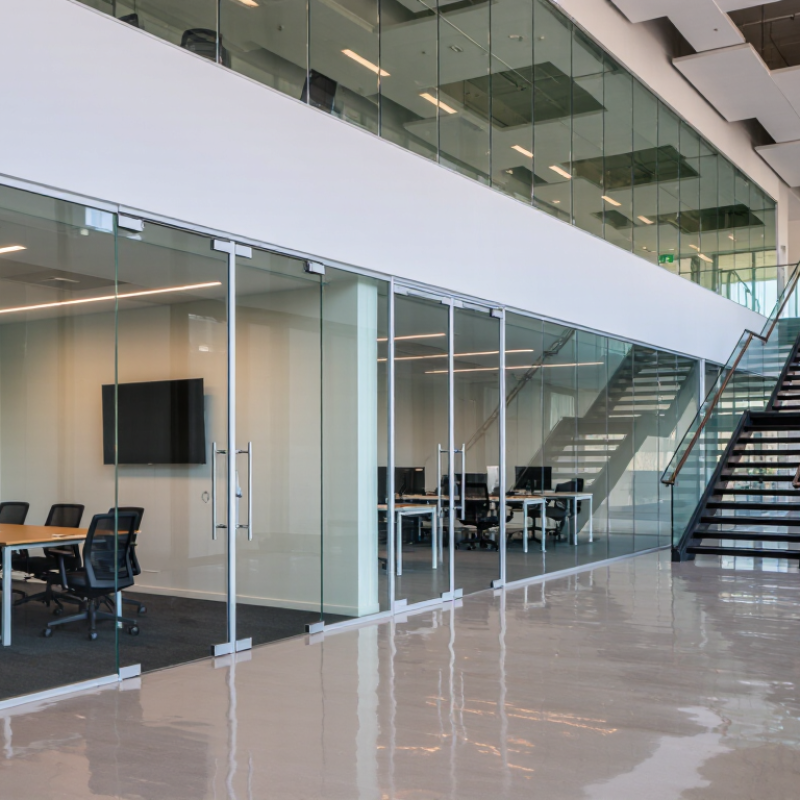
Tempered glass walls are safety panels treated with controlled heating and rapid cooling. This process increases their strength compared with ordinary glass. When broken, they usually crumble into small, blunt pieces instead of long, sharp shards. That behavior makes them suitable for offices, retail interiors, bathrooms, restaurants, and public corridors. They also support daylight while creating a clean visual boundary.
These walls are not unbreakable. That matters. Their resistance depends on thickness, panel size, edge quality, and installation details. Tempered glass cannot be cut or drilled after treatment, so every opening must be planned accurately.
Experienced installers check measurements, floor levels, door movement, and nearby fixtures before production. They also use compatible channels, gaskets, and protective hardware to reduce stress on the glass.
A well-designed system can improve privacy, light distribution, and perceived space. Frosted sections or patterned films may help in meeting rooms and washrooms. However, clear glass can create collision risks in busy areas. Visible markings and suitable lighting should be considered. Local building requirements may also specify safety glazing, impact performance, or guardrail design. A certified professional should verify these points.
I once thought thicker glass solved every concern. It does not.
Poor alignment or damaged edges can still create weaknesses. Regular inspections should look for chips, loose fittings, door sagging, and unusual movement. A tempered glass wall performs best when design, fabrication, installation, and maintenance receive equal attention.
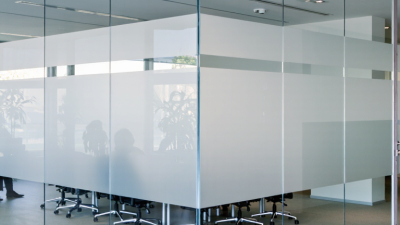
Tempered glass walls bring daylight into spaces while maintaining a clean, open appearance. In homes, they often divide kitchens, bathrooms, stairways, and living rooms. A clear panel beside a staircase can improve visibility without making the area feel crowded. Frosted or textured glass offers more privacy. It still allows soft light to pass through.
Offices use tempered glass for meeting rooms, private work areas, and reception spaces. Managers can create visual connection without removing every physical boundary. Glass partitions also make smaller offices appear larger. However, clear walls can expose distractions and reduce privacy. Curtains, films, or patterned panels may be necessary. It is not a perfect solution.
Public buildings commonly install these walls in schools, clinics, hotels, libraries, and transport facilities. They can guide movement while allowing staff to monitor busy areas. Tempered glass is heat-treated and usually breaks into smaller, less sharp pieces than ordinary glass. Still, it is not unbreakable. Door hardware, edge protection, and accurate installation matter greatly. For railings, overhead areas, or locations requiring stronger fall protection, laminated safety glass may be more suitable. Qualified installers should check local building requirements, glass thickness, door clearances, and nearby hazards. Fingerprints remain a practical concern, especially around entrances. Regular cleaning is part of the design.
Tempered glass walls are used where openness, durability, and controlled safety matter. They appear in office partitions, shower enclosures, retail fronts, stair barriers, and interior doors. Their clear surface allows daylight to travel through a space. It also makes small rooms feel less crowded.
Safety comes from the manufacturing process. The glass is heated and rapidly cooled, creating stronger outer surfaces than ordinary glass. It typically resists impact and thermal stress several times better than annealed glass. If it breaks, it usually crumbles into small, blunt-edged pieces. Safer, not harmless. Damaged edges, drilled holes, or poor fittings can still cause failure. For areas exposed to falling objects, laminated glass may be more suitable than tempered glass alone.
Performance depends on the complete wall system, not only the panel. Proper thickness, framing, seals, and hardware influence stability, water resistance, and sound control. Clean glass can improve visibility, but fingerprints and condensation quickly become noticeable. Experienced installers inspect edges carefully and follow applicable building standards. Regular checks can reveal chips, loose fittings, or stress near corners. One practical limitation deserves attention: tempered glass cannot be cut after treatment. Measurements must be accurate before production, and mistakes can become expensive.
What Are Tempered Glass Walls Used For?
Design Options, Installation Methods, and Building Requirements
Tempered glass walls divide offices, bathrooms, retail areas, and interior rooms without blocking natural light. Clear panels create an open feeling. Frosted, tinted, or patterned glass improves privacy and visual comfort. Frames can add structure and contrast, while frameless systems offer a cleaner appearance. Sliding doors, hinged doors, and fixed panels support different room layouts. A perfect-looking wall may still fail if privacy, noise, or maintenance needs were ignored.
Installation begins with accurate measurements of the floor, ceiling, and side walls. Installers typically use channels, clamps, setting blocks, and approved hardware. Glass edges need careful protection during handling. The supporting structure must remain stable under the panel’s weight and movement. Field conditions can differ from drawings, so a final measurement is wise. Rushing this step creates expensive problems.
Tips: Choose glass thickness according to panel size and location. Ask a qualified installer to confirm edge clearances and hardware compatibility. Check local building requirements before ordering. Safety-glazing rules may apply near doors, stairs, showers, and walking surfaces. Requirements can also cover wind loads, impact resistance, fire separation, sound control, accessibility, and permits. Do not assume every interior wall uses the same specification. A small review with the building authority can prevent a large replacement later.
Tempered glass walls are commonly used for interior partitions, shower enclosures, office fronts, retail displays, balconies, and other areas where safety glazing and visual openness are required. The chart shows the approximate mass per square metre for common glass thicknesses, calculated using glass density of approximately 2,500 kg/m³. Actual building requirements depend on panel size, wind or impact loads, support conditions, edge protection, and local safety-glazing codes.
Tempered glass walls are used in offices, retail interiors, showers, and public entrances. Their strength and clean appearance suit busy spaces. Maintenance starts with gentle cleaning and regular hardware checks. Use a soft cloth, mild soap, and clean water. Abrasive pads can create fine scratches. Keep the hardware dry. Hinges, clamps, and seals deserve attention because loose fittings can stress the glass.
Inspections should look for chips, edge damage, scratches, and movement around joints. A small edge chip matters more than a light surface mark. Tempered glass cannot be cut or drilled after manufacturing. It also cannot be repaired like ordinary window glass. A rare break can cause the panel to crumble into small pieces, but impact resistance is not unlimited. Sudden temperature changes, heavy contact, or damaged edges remain concerns. Acoustic privacy may also be weaker than expected.
Replacement requires accurate measurements, suitable thickness, and compatible fittings. A professional glazier should verify the opening before ordering new glass. The replacement panel may need matching holes, polished edges, or safety markings. Do not reuse cracked panels, even when the damage looks minor. A clean-looking wall can hide stress near a clamp. This is where visual checks can mislead us. In busy buildings, temporary barriers may be needed while the panel is assessed. Records of inspections and repairs also help reveal repeated alignment or installation problems.
| Category | Typical Use or Consideration | Relevant Facts | Maintenance or Replacement Guidance |
|---|---|---|---|
| Interior partitions | Offices, conference rooms, reception areas, clinics, and educational spaces | Provides daylight and visual openness while creating a physical separation between areas. | Clean regularly with a soft cloth and a non-abrasive glass cleaner. Replace panels with cracks, chips, or severe edge damage. |
| Shower enclosures | Residential and commercial bathrooms | Tempered glass is commonly used because it is stronger than ordinary annealed glass and breaks into small, relatively blunt fragments if shattered. | Remove soap residue and mineral deposits to reduce staining. Check hinges, handles, seals, and mounting hardware for looseness or corrosion. |
| Retail and hospitality spaces | Storefront interiors, restaurants, hotels, display areas, and partitioned lounges | Supports a modern appearance and allows light transmission without fully removing visual boundaries. | Use protective pads or barriers where carts, furniture, or equipment may strike the glass. Do not use abrasive pads or harsh chemicals. |
| Safety glazing applications | Doors, sidelites, areas near walking surfaces, and locations where impact risk is present | Tempered glass is a type of safety glass, but the required glazing type depends on location, dimensions, framing, and applicable building regulations. | Confirm code requirements before installation or replacement. Look for permanent safety-glazing markings where required. |
| Balustrades and guard panels | Stairways, balconies, mezzanines, and elevated walkways | These installations require engineered glass, suitable supports, and compliance with local load and guardrail requirements; ordinary single tempered panes may not be appropriate. | Inspect support channels, clamps, fasteners, and edges. Replacement specifications should be verified by a qualified glazing professional. |
| Routine cleaning | General care for interior and exterior glass wall surfaces | Dust, fingerprints, grease, hard-water deposits, and construction residue can reduce clarity and make surface defects harder to identify. | Use clean water, a soft sponge or microfiber cloth, and a compatible mild cleaner. Dry the surface to help prevent streaks and mineral spots. |
| Key limitation | Damage after tempering | Tempered glass cannot be cut, drilled, or significantly altered after heat treatment. Edge or surface damage can weaken the pane. | All cutting, drilling, polishing, and fabrication must be completed before tempering. A damaged pane generally requires full replacement. |
| Breakage behavior | Sudden failure caused by impact, edge damage, thermal stress, or rare internal inclusions | Tempered glass can occasionally shatter without an obvious recent impact. It is not unbreakable and does not remain in large structural shards after failure. | Keep people away from the area, protect the opening, and arrange professional removal and replacement. Avoid handling loose fragments with bare hands. |
| Thermal and acoustic limits | Projects requiring temperature control, privacy, or noise reduction | Tempering improves strength and safety performance, but it does not automatically provide strong insulation, soundproofing, or privacy. | Consider laminated, insulated, tinted, frosted, or multi-pane systems when the design requires improved acoustic, solar, thermal, or privacy performance. |
| Replacement matching | Replacing a cracked, chipped, broken, or failed wall panel | Thickness, dimensions, glass type, tint, edgework, hole locations, hardware, and safety markings must match the existing system. | Do not order by appearance alone. Measure the opening and consult a qualified glazier or engineer before fabrication. |
| When replacement is urgent | Cracks, chips at edges, deep scratches, loose panels, damaged fittings, or unexplained movement | Damage near edges and defects around drilled holes can be particularly important because these areas may experience concentrated stress. | Restrict access to the area, do not attempt repairs with drilling or cutting, and arrange an inspection and controlled replacement promptly. |
Note: Installation, inspection, and replacement requirements vary by location, building use, glass configuration, and applicable safety regulations. Always verify the specification with a qualified glazing professional.