Get an estimate

China Top 10 Single Glazed Partition Suppliers

Single Glazed Partitions bring daylight and visual openness to offices, meeting rooms, and reception areas. Their appeal is easy to see: a clear glass panel can separate teams without making a floor feel closed. But simplicity can be deceptive. Glass thickness, edge finishing, frame design, seals, and hardware all affect how a partition performs in daily use.

Architect Ludwig Mies van der Rohe’s well-known phrase, “Less is more,” offers a useful design lens for these systems. It is not a technical specification. A clean, minimal appearance still depends on careful detailing and sound installation. And a single-glazed wall will not provide the same acoustic separation as every enclosed office needs. That trade-off deserves a closer look.

This guide introduces ten suppliers in China and considers the details buyers should compare: product range, customization, project experience, quality documentation, and communication during specification. A polished catalogue is helpful, but it cannot answer every practical question. Ask how glass dimensions are controlled, which hardware options are available, and what support the supplier provides after delivery. Small details matter. The shortlist is a starting point, not a substitute for checking project requirements, samples, and current supplier capabilities. Some comparisons may remain imperfect, because product descriptions do not always make like-for-like evaluation easy. That is worth remembering when choosing a system for a real workplace.
China Top 10 Single Glazed Partition Suppliers

What Single-Glazed Partitions Are and How They Are Used

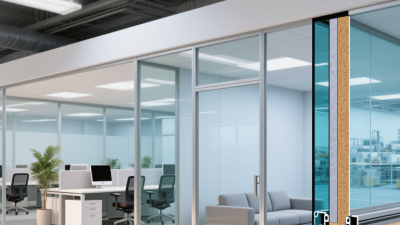
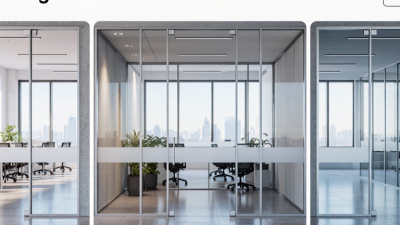
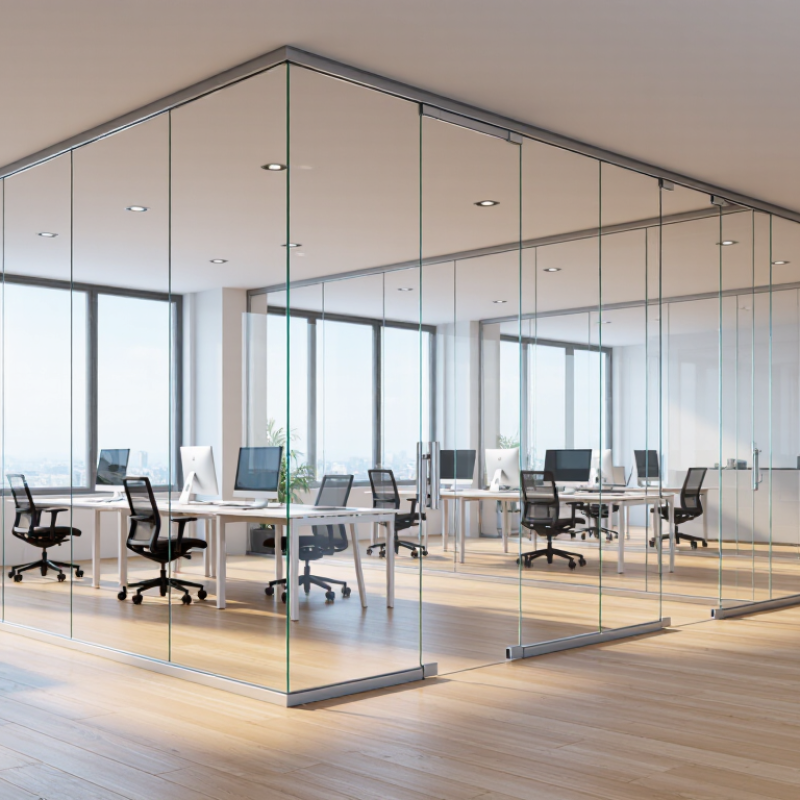
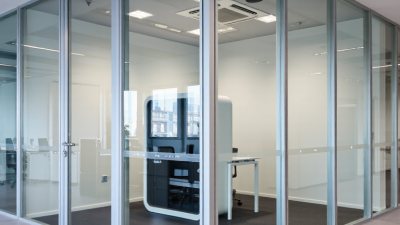
Single-glazed partitions use one pane of glass in a framed or frameless interior divider. They separate meeting rooms, offices, and quiet work areas without blocking borrowed light. A clear panel can make a narrow corridor feel more open. Frosted bands or blinds add privacy where needed. Details matter: door seals, frame joints, and ceiling connections can affect sound leakage as much as the glass itself.

Acoustic performance should be checked against the tested rating of the complete partition system, not the glass alone. A single pane may suit visual separation and ordinary conversation, but it is not automatically suitable for confidential meetings. The World Green Building Council’s 2014 report, Health, Wellbeing & Productivity in Offices, links improved indoor air quality with productivity gains of 8–11%; this is not a partition-specific result, but it highlights the value of considering workplace conditions together. Specify the required acoustic rating, then confirm the test covers doors and junctions. Small gaps matter. In practice, teams sometimes choose clear glass for daylight, then discover that glare or speech distraction needs attention. That trade-off deserves a mock-up, even if the first design looks perfect.

Single-Glazed Partition Glass: Thickness and Approximate Weight

Single-glazed partitions use one pane of glass to divide interior spaces while retaining visual openness. The bars show estimated glass weight per square metre, calculated from a glass density of 2,500 kg/m³. Actual specifications and suitability depend on the glass type, framing system, and project requirements.

How to Assess Single-Glazed Partition Suppliers in China

Assessing single-glazed partition suppliers in China starts with the details behind the product photos. Ask for glass thickness, edge treatment, frame dimensions, and hardware specifications. Clear answers matter. A quotation should state what is included, such as door hinges, handles, seals, and installation drawings. If these items remain vague, compare suppliers only after clarifying them.

Request a sample or inspect a completed project, if practical. Look closely at the glass edges, frame joints, coating consistency, and door alignment. A neat sample is useful, but it cannot prove every production batch will match. Ask how the supplier checks dimensions and protects panels during packing. Request relevant test reports and confirm which product configuration they cover; a report for different glass or framing may not apply.

Communication is part of the assessment. Send a marked-up floor plan and note ceiling height, wall conditions, and access constraints. See whether the supplier asks sensible questions before confirming lead time. Acoustic performance deserves careful discussion: a single-glazed system may reduce some noise, but results depend on seals, doors, and site installation. Do not rely on a broad performance claim alone. Even a careful review has limits; factory photos rarely reveal every small finishing flaw.

An Overview of China’s Top 10 Single-Glazed Partition Suppliers

China’s Top 10 Single-Glazed Partition Suppliers: An Overview

China’s single-glazed partition market includes manufacturers serving offices, retail spaces, and interior fit-out projects. A useful supplier comparison looks beyond catalog photos. Check whether the supplier provides measured drawings, glass specifications, frame details, and installation guidance. Ask for samples. A small corner sample can reveal edge finishing, coating quality, and how the frame meets the glass.

Project requirements vary. Some suppliers focus on standard aluminum profiles and repeatable sizes, while others offer custom finishes, door integration, and made-to-measure layouts. Compare glass thickness, hardware options, tolerances, packaging, and lead times in writing. Acoustic performance deserves careful review: a single-glazed partition can define space, but it should not be assumed to provide the isolation of a tested acoustic system.

Details matter.

Factory capacity is only part of the picture. Request recent project references and clarify who handles site measurements, shipping protection, and installation support. Confirm that proposed materials suit the project’s local building requirements. Pricing can be hard to compare when quotations omit the same items.

That is easy to miss. Even a well-made system may need adjustment on site, so leave room for coordination and verify dimensions before production.

Company Profiles: Products, Capabilities, and Market Focus

China’s single glazed partition suppliers often serve different project needs. Some focus on standard aluminum frames and clear glass for offices. Others offer slim profiles, custom finishes, or made-to-measure panels. Several concentrate on fast production for fit-out contractors, while smaller workshops may handle unusual dimensions with more flexibility. Product details matter: ask about glass thickness, frame depth, joint design, and available door systems.

Capabilities can vary widely. A supplier may provide drawings, sample sections, and packing plans, yet leave site measurement to the buyer. Ask for recent project references and inspect comparable installations where possible. Check how the company manages glass edge quality, hardware compatibility, and replacement parts. Small details count. A loose handle is noticeable.

Market focus also shapes service. Export-oriented manufacturers may be familiar with container packing and remote coordination. Domestic project suppliers may offer quicker site visits or installation support in selected regions. These are tendencies, not guarantees. Catalogs can look polished; actual tolerances sometimes tell a less tidy story. Request a written specification, production timeline, and clear division of installation responsibilities before comparing quotes.

How to Compare Suppliers for a Specific Project

China Top 10 Single Glazed Partition Suppliers
How to Compare Suppliers for a Specific Project

A supplier shortlist is useful only when it matches your project conditions. Start with the room layout, ceiling height, glass dimensions, door locations, and expected daily use. A meeting room beside a busy corridor may need different acoustic performance from a bright reception area. Ask each supplier to state tested sound-reduction values and explain how doors, seals, and floor gaps affect them. Details matter.

Compare drawings, not just brochure images. Request a sample section showing glass thickness, edge protection, fixing method, and frame finish. Then check whether the proposed system suits your site measurements and installation sequence. Ask for proof of relevant test reports and product documentation, and confirm that requirements match the project’s location. Ask for proof. Lead times, packing methods, replacement glass availability, and after-sales response also affect project risk. A low quotation can exclude these practical costs.

Use the same written scope when requesting bids, including quantities, tolerances, delivery terms, and installation responsibilities. Compare what is included line by line. One awkward detail often gets missed: who measures the finished opening after flooring and ceilings are complete? Clarify that before ordering. No scoring sheet can capture every site complication, but recording assumptions makes supplier comparisons more dependable. A perfect comparison is unlikely; a transparent one is achievable.

China Top 10 Single Glazed Partition Suppliers - How to Compare Suppliers for a Specific Project

Use these ten project criteria to compare quotations on a like-for-like basis. The figures below are general reference points, not claims about individual suppliers or a substitute for project-specific design and compliance checks.

No. Comparison Dimension Project-Specific Information to Request Practical Comparison Basis Evidence to Check
1 Glass type and thickness Glass composition, nominal thickness, heat treatment, and whether the specification applies to every panel. Common single-glazed interior systems use 10 mm or 12 mm glass, but the suitable option depends on panel size, support conditions, loads, and applicable codes. Product specification, glass marking, and project-specific structural assessment.
2 Safety-glass compliance Applicable national or project standard and required impact-safety classification. For projects in China, verify applicable requirements such as GB 15763.2 for tempered glass. For other markets, confirm the locally applicable standard; EN 12600 is one example of an impact classification standard. Current test reports and certificates identifying the glass type, standard, classification, and issuing laboratory.
3 Panel dimensions and limits Maximum panel width and height, panel layout, cut-outs, door openings, and site-measurement responsibilities. Compare the proposed dimensions with the system’s documented limits and the project’s structural requirements; do not rely on a generic maximum-size claim. Dimensioned shop drawings and written confirmation that the proposed configuration has been reviewed.
4 Acoustic performance Required sound insulation for the complete partition assembly, including doors, joints, and perimeter seals. Compare tested assembly ratings, such as Rw where applicable, only when the tested construction matches the proposed glass, framing, seals, and installation details. Laboratory report stating the test method, assembly build-up, and measured rating.
5 Framing and hardware Base channel, head track, posts, connectors, door hardware, and visible or concealed fixing details. Check that the quoted components suit the specified panel sizes, substrate, door use, and finish; confirm which items are included in the price. System drawings, component schedule, material specifications, and itemised quotation.
6 Glass edges and openings Edge finishing, corner treatment, drilled holes, notches, and hardware cut-outs. Require all fabrication details to be approved before production. Glass processing should match the final hardware and installation drawings. Approved fabrication drawings and inspection records for dimensions and edge condition.
7 Finish and appearance Glass clarity or tint, surface treatment, frame colour, finish sample, and acceptable visual variation. Compare physical samples under similar lighting and viewing conditions; specify the reference sample and acceptance criteria in the order. Signed sample, finish schedule, and documented visual-inspection criteria.
8 Installation scope and tolerances Site survey, delivery, installation, sealing, substrate preparation, and responsibility for coordination with other trades. Confirm permitted site conditions and tolerances in writing. Installation requirements should be consistent with the approved system details and building conditions. Installation method statement, site-measurement record, interface details, and scope-of-work list.
9 Quality management and traceability Production inspection steps, batch identification, packaging controls, and handling of non-conforming products. An ISO 9001 certificate relates to a quality-management system; it does not by itself certify a particular partition or prove that it meets project requirements. Valid certificate scope, inspection records, product identification, and corrective-action process.
10 Commercial and delivery terms Itemised pricing, exclusions, production schedule, packaging, shipping terms, warranty, and replacement-part arrangements. Compare quotations using the same drawings, quantities, delivery location, installation scope, and commercial terms; confirm schedule commitments in the contract. Revised quotation, written lead-time plan, packaging details, warranty terms, and agreed delivery conditions.

Note: Single-glazed partitions are not automatically fire-rated or soundproof. Any fire, acoustic, structural, or safety performance should be confirmed for the exact proposed assembly and intended use.